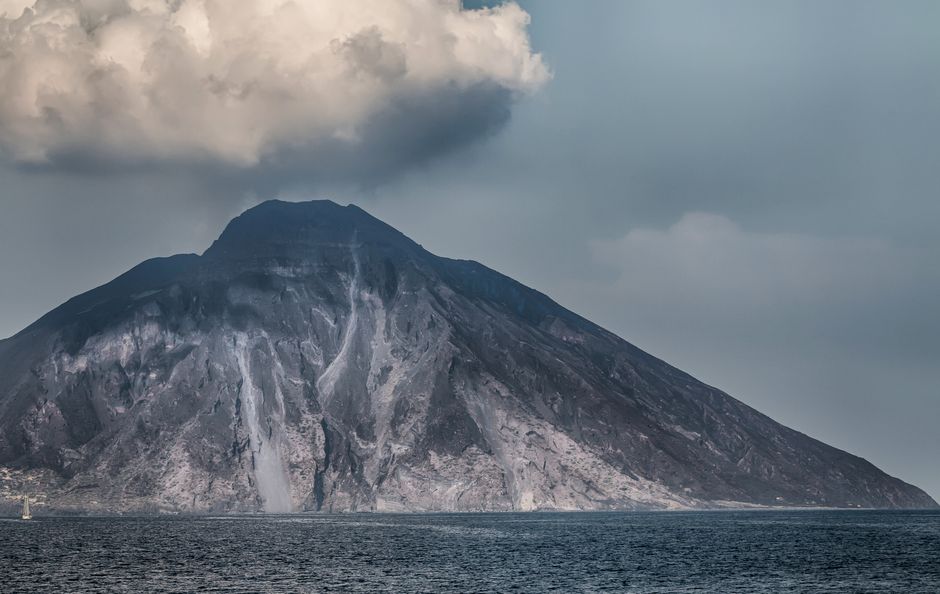
The Home Reef submarine volcano off the coast of Tonga is once again making headlines as new satellite data confirms the volcanic island it has been building has grown significantly, gaining nearly 20 acres of land over the past four decades. The ongoing expansion marks another chapter in a long and volatile history of intermittent island-building activity at this dynamic underwater volcanic system.
Home Reef first made global news in June 1984 when it erupted with extraordinary force, shooting a massive column of ash and steam more than 12 kilometres into the sky. The explosive eruption was powerful enough to breach the ocean surface and create a new landmass — a rare event that captured scientists' attention and drew international media coverage. At the time, the eruption was classified as a VEI-5 (Volcanic Explosivity Index) event, placing it among the more powerful eruptions recorded globally in recent decades.
What makes Home Reef particularly interesting to volcanologists is its erratic behaviour. Since the 19th century, the submarine volcano has gone through multiple cycles of producing new islands through eruptions and then losing them to the sea through erosion, subsidence, or subsequent volcanic activity. Islands that emerge from underwater eruptions are inherently unstable at first — they consist largely of loose volcanic ash, pumice, and fragmented rock that is easily swept away by ocean waves and storm surges. Over time, some of these features can stabilise and support vegetation, but Tonga's tropical environment, with its regular cyclone season, presents a constant challenge to any nascent landform.
Recent satellite imagery reviewed by scientists indicates that the most active periods of growth have coincided with renewed volcanic unrest in the area. While no major explosive eruptions have been reported in recent years, persistent low-level activity appears to be slowly depositing material that consolidates the island. Researchers note that the addition of roughly 20 acres represents meaningful growth given the erosive forces at play in this part of the Pacific Ocean.
The Tonga Geological Services and international monitoring partners continue to observe the volcano closely, as it sits within a region known for significant tectonic and volcanic activity. The 2022 Hunga Tonga–Hunga Ha'apai eruption — one of the most powerful volcanic events of the 21st century — further highlighted how active the area remains beneath the Pacific floor.