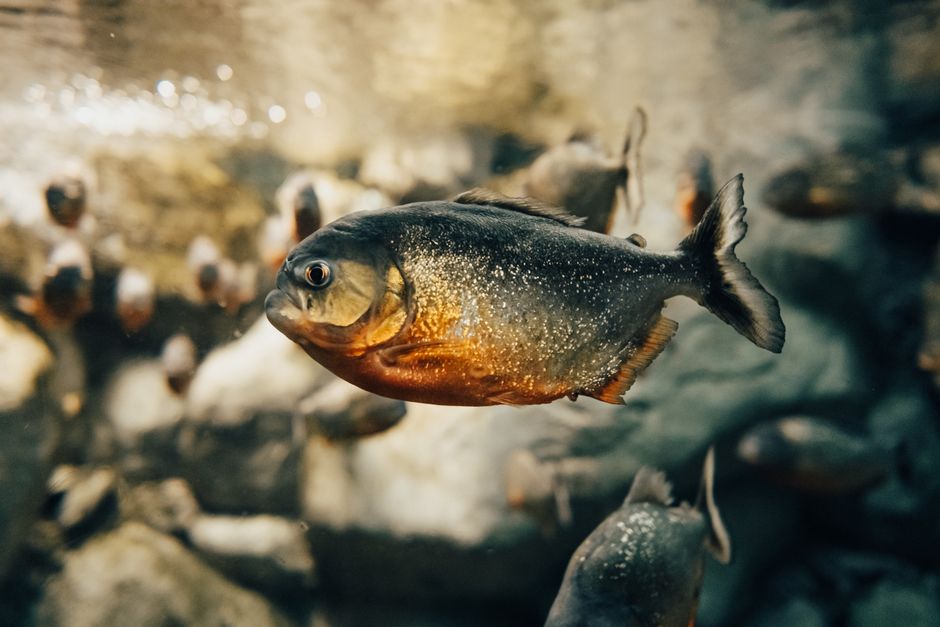
A fish that has evaded scientists for nearly four decades has been spotted once again in the tangled waterways of Papua New Guinea, marking a rare and heartening moment for global biodiversity research. The species, first documented during an expedition in the early 1980s, had not been reliably observed since, leading researchers to fear it may have vanished from the wild or simply remained hidden in one of the planet's most inaccessible landscapes.
The rediscovery came after a team of ichthyologists and local guides undertook a months-long survey across the remote lowland river systems and tributaries of Papua New Guinea's interior. Using a combination of traditional knowledge from indigenous communities and modern sampling techniques, the researchers managed to locate several specimens of the elusive fish in clear, slow-moving freshwater habitats nestled deep within the country's dense rainforest.
Experts say the find is significant not only because of the lengthy gap between sightings but also because Papua New Guinea sits at the heart of the Coral Triangle, a marine and freshwater hotspot renowned for its extraordinary levels of species endemism. Despite this rich biodiversity, the region remains severely underexplored due to rugged terrain, limited infrastructure, and competing pressures from logging, mining, and agricultural expansion.
The fish belongs to a group known for their delicate adaptations to secluded aquatic environments, features that make them particularly vulnerable to habitat disruption. Scientists caution that while the rediscovery is cause for celebration, it also underscores how little is still known about freshwater ecosystems in the region and how many species may remain undocumented—or on the brink of disappearance before they are ever formally described.
Conservationists hope the sighting will draw renewed attention to the need for protected waterway corridors and community-based monitoring programs that can help safeguard these hidden treasures before they fade from sight once more.