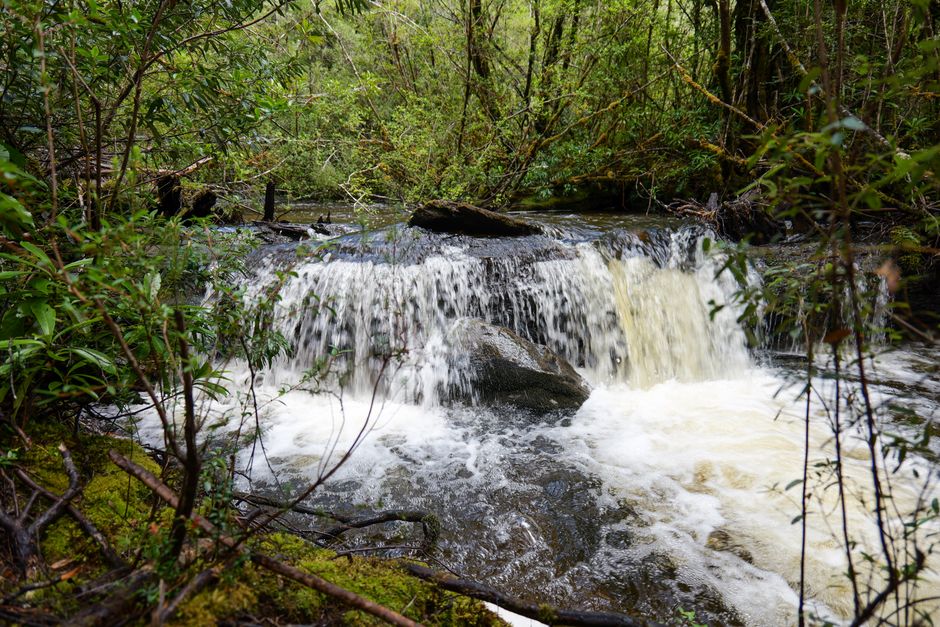
In a striking reversal of colonial-era environmental decisions, conservation workers across Tasmania are engaged in an ambitious project to eradicate invasive brown trout from select waterways and create protected sanctuaries for the Swan galaxias, one of Australia's most threatened freshwater fish species.
The story begins in 1864, when British colonists introduced brown trout from England into Tasmanian rivers and streams with the aim of establishing a recreational fishery. The move was successful in the short term — brown trout populations boomed, and Tasmania became renowned for its angling opportunities. But ecologists now recognize the introduction as an ecological disaster for native species that had evolved in isolation for millions of years.
The Swan galaxias, a small, scaleless fish endemic to Tasmania's western and central highlands, is bearing the brunt of that legacy. With only an estimated 6,000 individuals remaining in the wild, the species is classified as critically endangered. Brown trout compete with the galaxias for food and habitat, and they also prey on juvenile fish, pushing the native population further toward extinction.
To combat this, a coalition of government agencies, indigenous groups, and conservation organizations has launched a multi-pronged intervention. Workers are constructing artificial barriers in strategic locations to prevent brown trout from moving into key galaxias habitats. In some areas, entire stretches of waterway are being cleared of trout using a combination of targeted electrofishing and selective poisoning with rotenone, a naturally occurring compound that is carefully applied to avoid harming other wildlife.
Dr. Helen Marsh, a freshwater ecologist at the University of Tasmania who has studied the species for over a decade, called the effort "a race against time." She noted that without these interventions, several galaxias populations could vanish within the next five to ten years.
The rehabilitation work has already shown promise in pilot zones. Monitoring data from restored waterways indicates that once trout are removed, galaxias numbers begin to rebound, with juvenile sightings increasing significantly within two years of intervention.
Indigenous Tasmanian communities have also been involved in the project, bringing traditional ecological knowledge to bear on the restoration effort. Elders emphasize that the galaxias holds cultural significance beyond its scientific value, representing a living link to Country that predates colonization.
Scientists warn that the brown trout problem extends beyond Tasmania. Similar introductions across mainland Australia have devastated countless native fish species, making the Swan galaxias recovery one of the most high-stakes conservation experiments in the country's history.