Scientists in India have achieved a remarkable breakthrough by converting human waste into a high-strength concrete alternative, potentially addressing two major environmental problems at once: the carbon-intensive production of conventional cement and the growing challenge of safe sewage disposal.
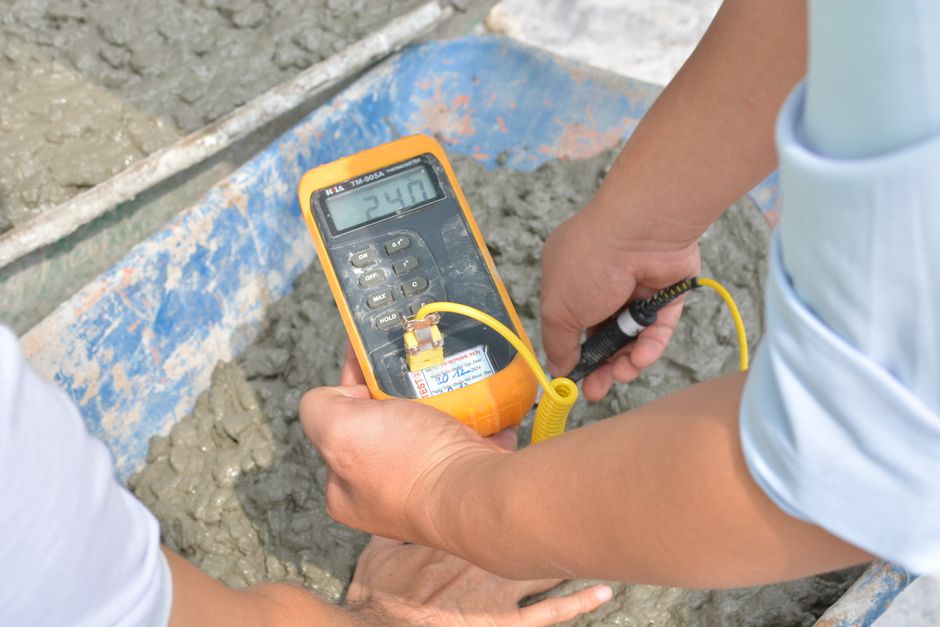
The laboratory experiment, conducted over 91 days, revealed that one particular mixture incorporating processed human waste resulted in concrete that was 42 per cent stronger than standard reference samples after the curing period. The researchers, whose work has drawn attention from both the construction and waste-management sectors, used treated human excreta as a partial replacement for traditional raw materials in concrete production.
Conventional concrete production is one of the largest sources of global carbon dioxide emissions, accounting for roughly eight per cent of worldwide greenhouse-gas output. At the same time, India generates millions of tonnes of untreated or partially treated sewage annually, much of which ends up contaminating water bodies. The new approach turns both liabilities into a resource.
During the experiment, the human waste was first经过 stabilization and processing to remove pathogens and unwanted organic matter. The resulting ash-like residue was then blended with other conventional concrete ingredients such as cement, sand, and aggregates in varying proportions. Multiple mix designs were tested to identify the optimal ratio that would maximize compressive strength while maintaining workability.
The 91-day curing period is significant because concrete continues to gain strength well beyond the initial 28 days typically measured in standard testing. The fact that the waste-infused mixture continued to improve and ultimately outperformed control samples by a substantial margin suggests the process could be scaled for real-world construction applications.
Experts caution that while the laboratory results are promising, additional field trials and long-term durability assessments will be needed before this material can enter mainstream construction. Issues such as variability in waste composition, consistency of treatment, and regulatory approval remain to be addressed. Nevertheless, the study marks a meaningful step toward sustainable urban infrastructure and circular-economy approaches to waste management.