America's largest private conservation laboratory has officially taken shape on the former grounds of Doris Duke's private estate in New Jersey. The 2,700-acre Duke Farms property, long known for its historic mansion and manicured gardens, is undergoing a radical transformation — shifting from a private residential estate to a working living laboratory dedicated to climate solutions and ecological restoration.
The initiative, led by the Doris Duke Charitable Foundation, repurposes the estate's vast landscape as an outdoor testing ground where scientists and conservationists can trial large-scale environmental strategies that might be impossible to implement in smaller settings. Projects range from wetland and prairie restoration to invasive species management and sustainable agriculture practices.
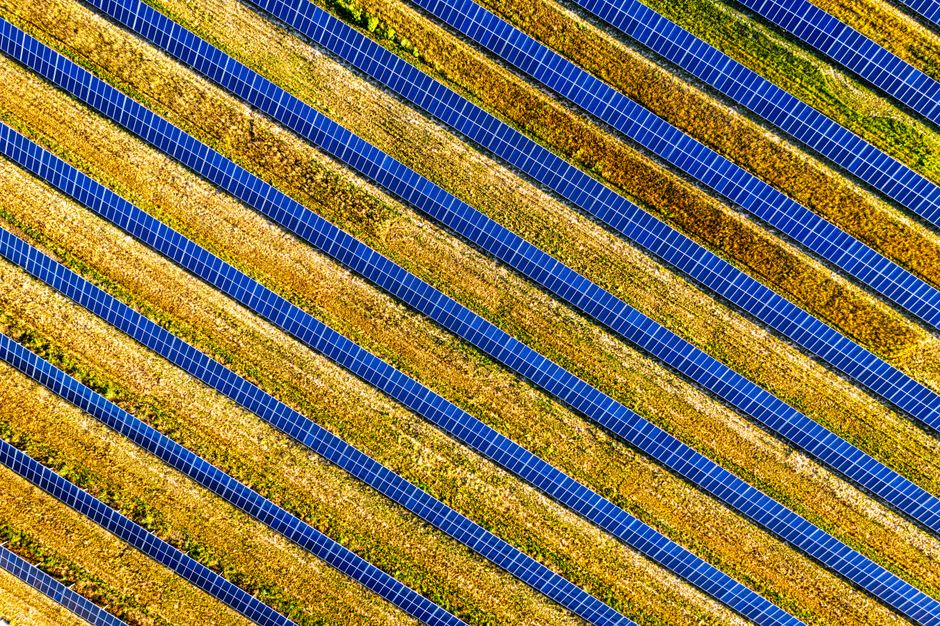
Perhaps the most ambitious component of the transformation involves clean energy. Duke Farms has already achieved what many large institutions struggle to accomplish: 100 percent clean electricity. Solar arrays, wind turbines, and other renewable installations cover the grounds, generating enough power to offset the estate's entire electrical consumption. This milestone was reached years ahead of many comparable facilities.
Looking further ahead, the foundation has set a target of achieving carbon negativity by 2040 — meaning the property would remove more carbon dioxide from the atmosphere than it produces. That goal requires not only eliminating remaining emissions but actively sequestering carbon through soil regeneration, reforestation, and advanced conservation techniques.
Doris Duke, who passed away in 1993, was the sole daughter of tobacco magnate James Buchanan Duke and heiress to the family fortune. She inherited a sprawling waterfront estate in Warwick, Rhode Island, as well as this New Jersey property, which she affectionately called Duke Farms. Throughout her life, she funded numerous conservation projects, arts initiatives, and medical research. After her death, the foundation stewarded the property primarily as a residential and event venue before pivoting toward its current scientific mission.
Environmental experts say the scale of the Duke Farms project is what sets it apart. Private conservation labs exist, but none operate on a footprint this large. The diversity of ecosystems — forests, wetlands, grasslands, and working farmland — allows researchers to study how different habitats respond to restoration efforts side by side.
Critics have noted that turning a former opulent estate into a conservation facility raises questions about land use and accessibility, but supporters argue the project's research outputs could influence conservation policy and practice across the United States.