Scientists have discovered an unexpected and promising application for a common food industry byproduct: apple pomace, the leftover pulp, seeds, and skin produced during juice manufacturing, can strip toxic lead from contaminated water almost entirely in laboratory experiments.
Lead contamination remains one of the most persistent public health threats globally, particularly in regions with aging pipelines, industrial runoff, or naturally polluted groundwater. Even low levels of exposure cause neurological damage, especially in children, and there is no known safe threshold.
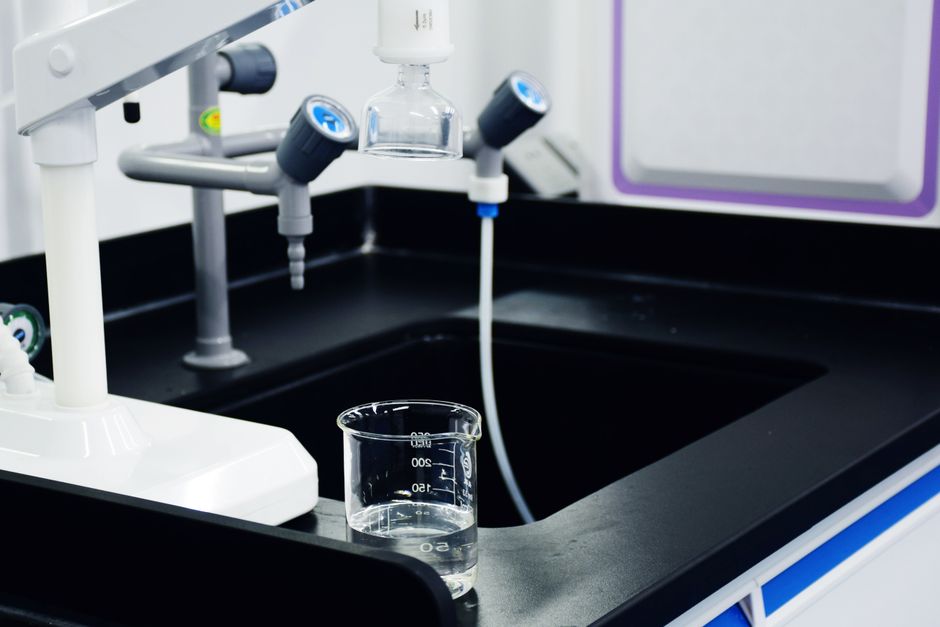
In tests led by researchers examining low-cost filtration solutions, dried and processed apple pomace was introduced to water samples containing measurable concentrations of lead ions. The results were striking — the organic material absorbed and bound the heavy metal effectively, removing up to 100 percent of detectable lead depending on conditions such as pH, contact time, and dosage.
Researchers attribute the high absorption capacity to the natural composition of apple pomace, which is rich in cellulose, pectin, and other fibrous compounds known to bind with heavy metals. When processed into a fine powder or granular filter medium, these compounds create a large surface area that traps lead particles as water passes through.
The finding carries particular significance for low- and middle-income countries where lead-contaminated drinking water is widespread but financial resources for advanced purification systems are limited. Conventional methods like reverse osmosis and ion exchange require expensive equipment and regular maintenance, making them impractical for rural or underserved communities.
The researchers noted that apple pomace is abundantly available in many parts of the world — India alone produces millions of tonnes of apples annually, with a substantial portion ending up as processing waste. If the laboratory results translate successfully to real-world conditions, the material could be cultivated at scale as an affordable, biodegradable filter medium.
The team is now working on optimizing the process for larger volumes and testing the material under varying water quality conditions before moving toward pilot-scale installations.
While the science is encouraging, experts caution that field trials will be necessary to confirm long-term effectiveness, safety, and regulatory compliance before this approach could replace or supplement existing water treatment infrastructure.