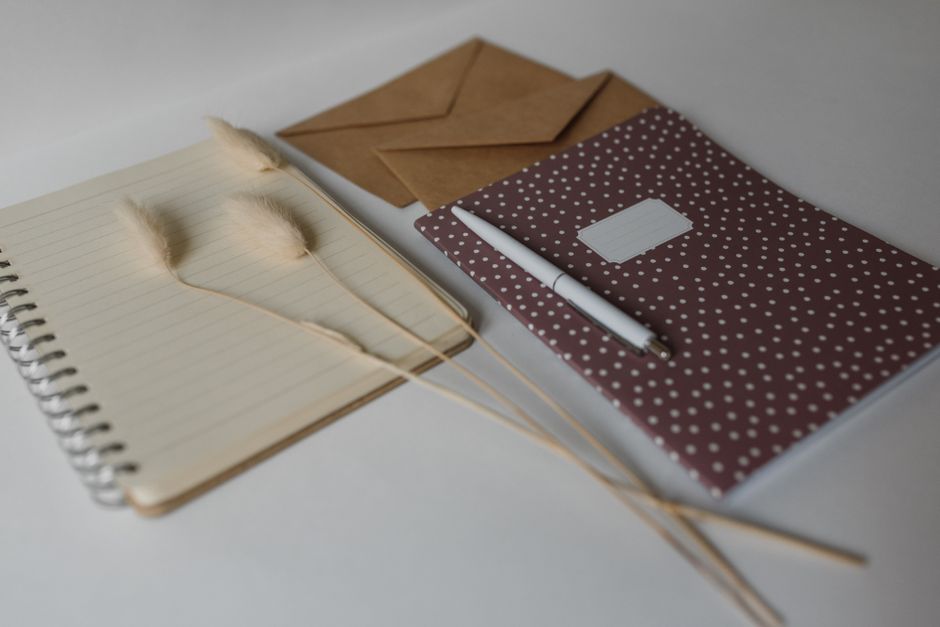
Buying a beautifully bound notebook or a sleek, expensive pen may look like an indulgence to outsiders, but psychologists are finding that the attraction runs much deeper than materialism or impracticality. According to emerging psychological insights, the desire for aesthetically pleasing stationery satisfies several human needs simultaneously — from creative expression and identity formation to emotional comfort rooted in nostalgia.
Experts point out that when someone invests in a thoughtfully designed notebook, they are not simply purchasing paper and ink. They are acquiring a tool that signals intentionality. A luxurious pen or a handcrafted journal creates a sense of occasion around the act of writing itself, transforming an everyday habit into something deliberate and meaningful.
"The ritual of selecting a beautiful notebook can be an act of self-definition," explains Dr. Meera Kapoor, a clinical psychologist based in New Delhi who studies consumer behavior and well-being. "It tells the buyer, 'This moment matters, and my thoughts deserve a proper container.'"
The nostalgia factor also plays a significant role. For many, fancy stationery evokes childhood memories of school days, the excitement of unpacking new supplies, or the quiet satisfaction of handwriting letters. These emotions create a warm psychological pull that goes beyond the physical object.
In India, where handwritten notes, diary-keeping, and calligraphy have seen a resurgence among young professionals and students alike, the trend has found particular resonance. Online stationery communities and influencer-led "stationery haul" videos now garner millions of views, reflecting a cultural shift toward valuing aesthetic experience in daily routines.
Researchers emphasize that while excessive spending on any category can raise concerns, the stationery phenomenon is generally harmless and can even support mental well-being by encouraging reflective practices such as journaling, planning, and creative writing.


