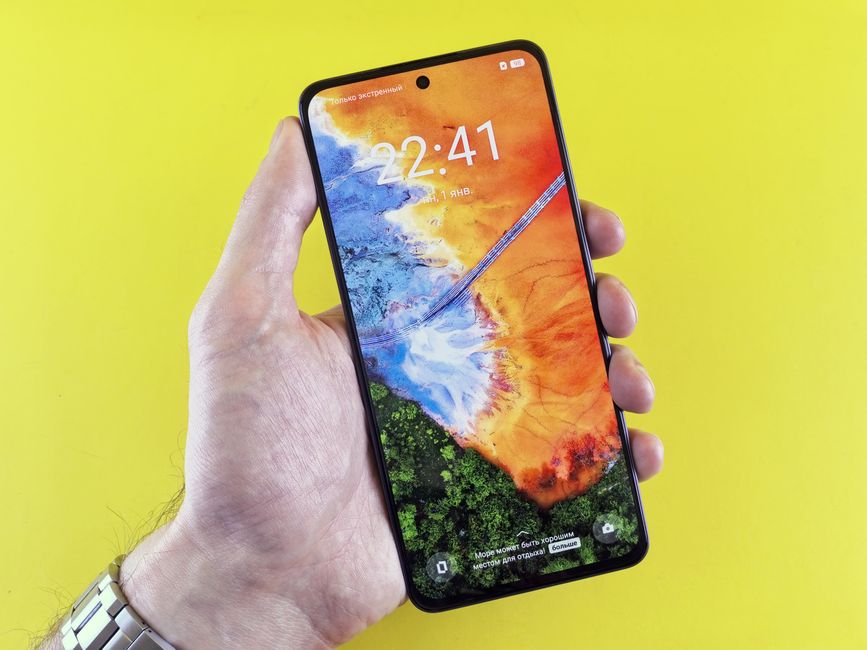
Samsung Display, the screen-making division of South Korea’s Samsung Electronics, has officially announced its latest smartphone display technology — the M16 OLED panel under the company’s LEAD 2.0 series. The new panel sets a new benchmark for mobile screens, delivering a peak local brightness of 10,000 nits, a specification that Samsung describes as unprecedented for smartphones.
The M16 panel combines this exceptional brightness with flexible adaptive refresh rates ranging from 1Hz all the way up to 165Hz, managed through LTPO (Low-Temperature Polycrystalline Oxide) technology. This allows compatible devices to dynamically adjust their refresh rate depending on the content being displayed, keeping animation smooth at high frame rates while dropping to as low as 1Hz for static images like reading text, thereby conserving battery.
Perhaps most significantly for consumers and manufacturers alike, Samsung claims the M16 panel delivers a 30 percent reduction in overall power consumption compared with its predecessor, the M15 generation. This efficiency gain is critical in an era where smartphone batteries struggle to keep pace with increasingly power-hungry display technologies.
The panel is now moving toward commercial production, with Samsung Display preparing to supply the screens to Android flagship manufacturers over the coming months. While no specific phone brands or models have been confirmed yet, industry observers expect premium devices from several major Android makers to adopt the technology in their next-generation flagships.
Samsung’s LEAD series has progressively pushed the boundaries of OLED performance since its launch, and each iteration has historically been adopted by leading smartphone brands for their top-tier devices. The M16 represents the latest step in that progression, bringing brighter, more efficient displays to the market just as consumer expectations for screen quality continue to rise.
The announcement positions Samsung Display firmly ahead of competitors in the premium OLED panel space, reinforcing its dominance in a segment where display quality remains one of the primary differentiators between flagship phones.