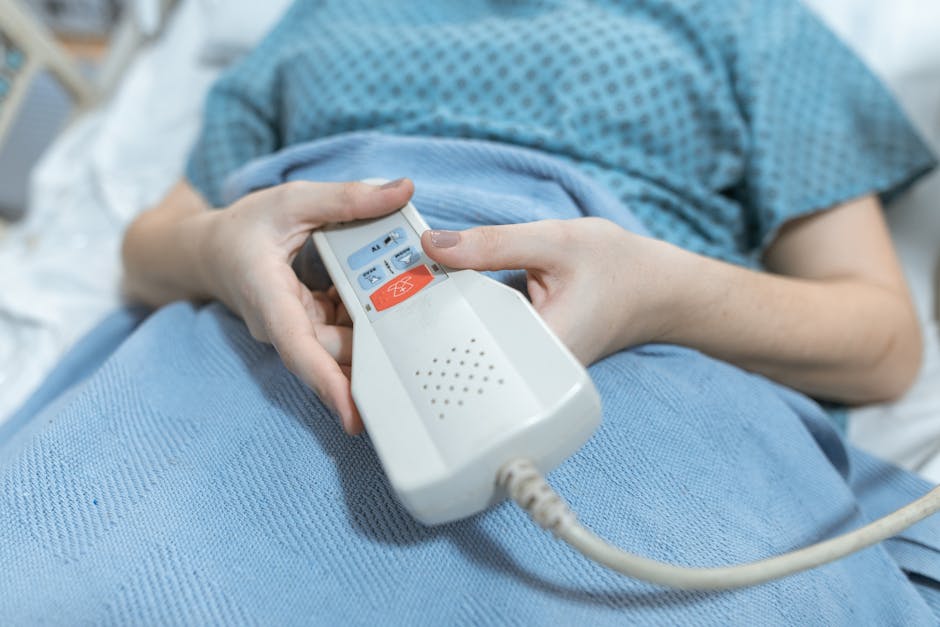
Hospitals across India are beginning to roll out next-generation nurse call systems that represent a significant leap forward in how medical facilities communicate with patients and prioritize emergencies. The new technology moves well beyond simple pull-cord or button-based alerts, incorporating smart features such as automated triage, real-time location tracking, and instant notification routing that can mean the difference between life and death in critical situations.
The systems use networked digital interfaces at patient bedside panels, wearable devices, and mobile alerts for nursing staff, replacing older analog setups that often resulted in delayed responses or misrouted calls. When a patient activates an alert, the new systems automatically classify the urgency level based on pre-programmed protocols and direct the notification to the most appropriate team member—whether that's a floor nurse, a technician, or a specialist in another ward.
Healthcare administrators say the technology also improves patient satisfaction by reducing wait times for assistance and giving patients more control over their care experience. Many of the newer units include two-way audio communication, allowing nurses to speak with patients before entering the room, which can resolve minor concerns without a physical visit and free up staff time for more urgent cases.
The rollout comes as Indian hospitals face growing pressure to improve quality metrics amid rising patient expectations and increased competition among private and public healthcare providers. Industry analysts note that patient satisfaction scores have become an increasingly important factor in hospital accreditation and reputation management.
Experts point out that the technology's emergency prioritization feature is particularly valuable in overcrowded wards where nurses may be managing dozens of patients simultaneously. By automatically elevating high-priority alerts and suppressing non-urgent ones from competing notifications, the system helps prevent critical calls from being missed during busy shifts.
Hospital implementers report that training staff to use the new systems effectively requires a transition period, but once integrated into daily workflows, the technology has shown measurable improvements in response times and overall care coordination.


