The 2026 Asian Games officially commenced in Nagoya, Japan, with a visually stunning opening ceremony that drew athletes, dignitaries, and spectators from across the continent. The event, running from September 19 to October 4, represents one of the largest sporting gatherings in Asia and showcased Japan's organizational capabilities on an international stage.
Japan's Emperor Naruhito and Empress Masako were present at the ceremony, with the Emperor formally declaring the Games open. The imperial presence underscored the national significance of hosting the event, which returns to Japan after previous editions were held in Tokyo in 1958 and 2010, Sapporo in 1986, and other host cities across the country.
Also in attendance were Sheikh Joaan bin Hamad Al Thani, President of the Olympic Council of Asia, and Kirsty Coventry, President of the International Olympic Committee. Their presence highlighted the strong connection between the Asian Games and the broader Olympic movement, with Coventry being the first woman to hold the IOC presidency since the organization's founding.
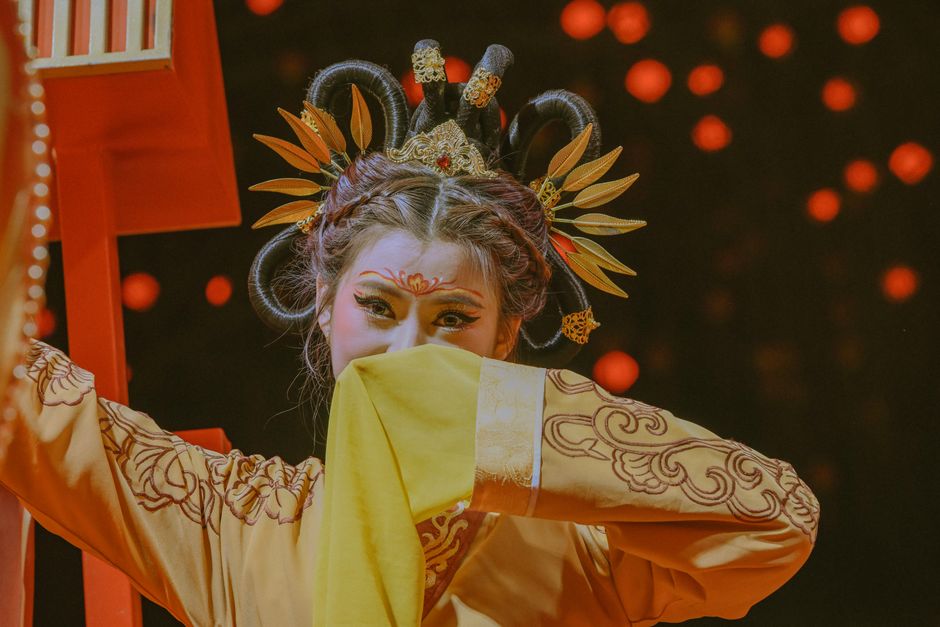
The ceremony itself was described as spectacular, featuring performances that blended traditional Japanese cultural elements with modern visual spectacle. Performers showcased regional traditions from across Aichi Prefecture and the greater Nagoya area, while light displays, choreography, and artistic presentations set the tone for the 16-day competition.
Over 7,000 athletes from more than 50 Asian nations and territories are expected to compete in approximately 40 sports during the Games. India, China, Japan, and South Korea are among the traditional powerhouses expected to dominate the medal tally. Various new sports and events may have been added to the programme in recent years as the Asian Games continue to evolve and attract younger audiences.
Nagoya, Japan's fourth-largest city and a major industrial hub in the Chubu region, has undergone significant infrastructure upgrades in preparation for the event, including venue renovations and improvements to public transportation links.
The opening ceremony marks the beginning of what organizers hope will be a successfully run Games, building on Japan's longstanding reputation for precision, hospitality, and logistical excellence in hosting major international sporting events.