Mumbai's most ambitious metro project is facing fresh scrutiny after urban planners and architects publicly questioned the decision to bar commuters from bringing bicycles onto trains on Line 3, the high-profile Colaba-to-SEEPZ underground corridor currently under construction.
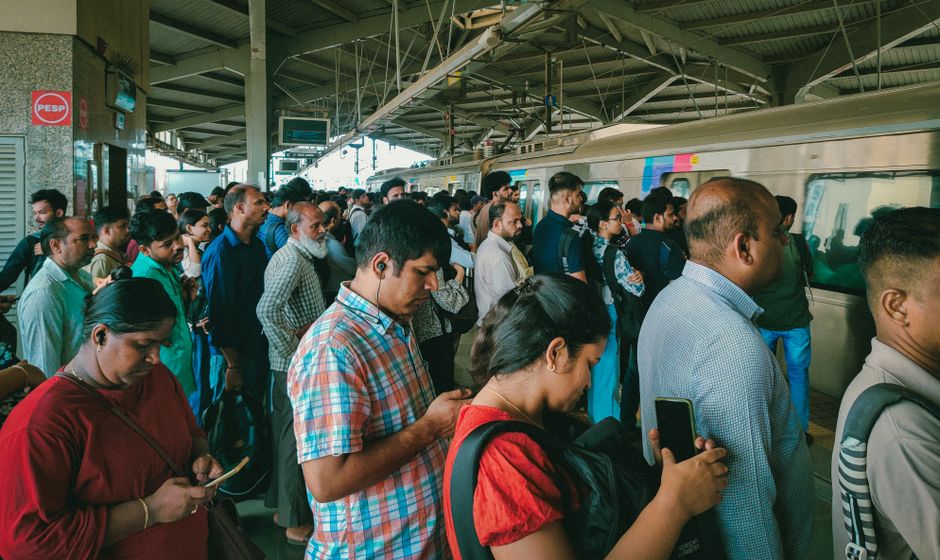
The Mumbai Metro One Railway Company Limited (MMRCL), which is responsible for building and operating the line, has maintained that the restriction is not a new policy. A spokesperson for the corporation explained that the metro was designed from the outset to handle very large passenger volumes on each run, and allowing cycles onboard was considered incompatible with that design assumption.
However, critics point out a growing reality on the ground: Line 3, like much of Mumbai's nascent metro network, has been struggling to attract ridership since operations began on partial sections. With passenger numbers running well below projections, urban experts argue that banning bicycles only deepens the disconnect between the metro system and the everyday commuter who lives too far from a station to walk but not far enough to justify a full taxi or ride-hailing fare.
Last-mile connectivity — the gap between a person's home and the nearest transit stop — remains one of India's most persistent urban transport challenges. Cities across the country, from Delhi to Bengaluru, have experimented with shuttle buses, shared auto services, and bike-sharing programmes to bridge this gap. Mumbai has made few meaningful efforts along these lines.
Architects and transport researchers say permitting folded or disassembled cycles on metro trains is a standard practice in several global cities and would not significantly disrupt crowd management. They describe the blanket ban as a misreading of how people actually travel in megacities, where multimodal trips combining metro, bicycle, and foot traffic are increasingly common.
MMRCL has not yet responded to requests for comment on whether the policy might be revisited given the line's underwhelming ridership figures.