India and Nepal have moved to strengthen their strategic partnership across multiple fronts, from humanitarian cooperation to economic collaboration, during a seminar hosted by the Research and Information System for Developing Countries (RIS) in New Delhi.
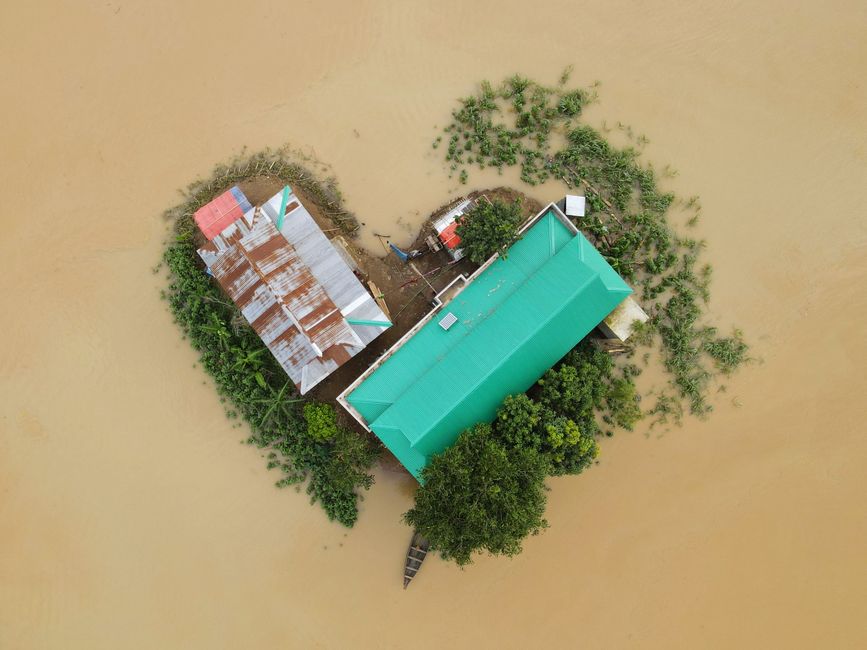
The discussions came against the backdrop of severe flooding that struck Nepal in late August, prompting India to accelerate its relief operations. On Saturday, a ninth Indian military aircraft touched down carrying 11 tonnes of essential relief materials, which were formally handed over to Nepali officials. This marks one of the largest single shipments coordinated under India's disaster response framework since the catastrophic floods began.
RIS, an autonomous intergovernmental organization established by India's Ministry of External Affairs in 1995, brought together diplomats, academics, and policy experts to examine how bilateral relations between the two South Asian nations could be elevated beyond traditional frameworks.
Participants discussed expanding trade connectivity, cross-border infrastructure projects, and people-to-people linkages rooted in shared cultural and religious heritage. The seminar also addressed Nepal's evolving role on the global stage and how India-Nepal cooperation could contribute to broader regional stability in South Asia.
The flood relief operation reflects a longstanding tradition of India-Nepal goodwill. Since the August 26 deluge caused widespread damage across several southern districts of Nepal, New Delhi has mobilized significant resources through the Indian Armed Forces and National Disaster Response Force. Civilian authorities in Kathmandu have expressed gratitude for the swift response, noting that the sustained aerial supply missions have been critical in reaching isolated areas cut off by rising river levels and washed-out roads.
Experts at the RIS seminar observed that natural disasters have consistently served as catalysts for deeper diplomatic engagement between the two neighbors. The ongoing relief effort, they said, demonstrates how pragmatic cooperation can coexist with broader strategic dialogue.
Both governments are expected to formalize new agreements in sectors including hydropower, telecommunications, and agricultural trade in the coming months.


