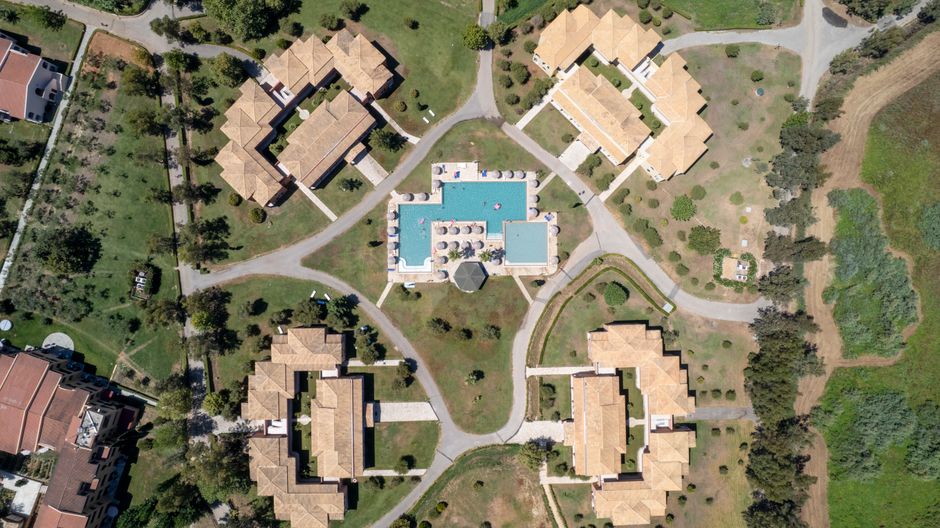
Meridian Financial Services has introduced a comprehensive maintenance fee recovery system designed specifically for legacy timeshare resorts, addressing one of the most persistent operational challenges facing older vacation ownership communities. The new framework emphasizes consistent resort visibility as a cornerstone strategy for improving owner engagement and financial performance across properties that were established decades ago.
According to the company, many legacy timeshare developments struggle with declining maintenance fee collection rates as original owners age, properties require increased upkeep costs, and resident satisfaction wanes over time. The proposed system introduces structured communication protocols that ensure resort conditions, maintenance schedules, and financial transparency remain consistently visible to owners, reducing uncertainty and building trust.
Industry analysts note that the visibility component is particularly significant for older resorts where communication between management companies and ownership groups has historically been fragmented. By implementing standardized reporting dashboards and regular facility update notifications, property managers can demonstrate proactive care of common areas, amenities, and infrastructure—factors that directly influence owner sentiment and willingness to pay assessments.
The timing of the announcement aligns with broader industry trends showing increased regulatory scrutiny of timeshare operations nationwide. Consumer protection agencies have intensified focus on fee disclosure practices and financial transparency requirements, pushing service providers like Meridian to develop solutions that meet evolving compliance standards while maintaining operational efficiency.
Property management consultants involved in the development process described the system as a shift from reactive billing to relationship-focused oversight. Instead of issuing invoices without context, resorts using the new model provide ongoing visibility into how maintenance fees support community improvements, creating what executives call a cycle of pride and accountability that strengthens owner loyalty.
Early pilot implementations at select resort locations have reportedly shown improved collection rates and higher owner satisfaction scores, though Meridian declined to disclose specific percentages or property names. Industry experts suggest the approach could prove especially valuable for resorts in popular vacation markets where property values and rental income potential remain strong despite aging infrastructure.
As the timeshare industry continues consolidating and modernizing its service offerings, Meridian's entry into the maintenance recovery space signals growing professionalization of what was once considered an ancillary administrative function—now recognized as critical to long-term resort viability and owner retention.