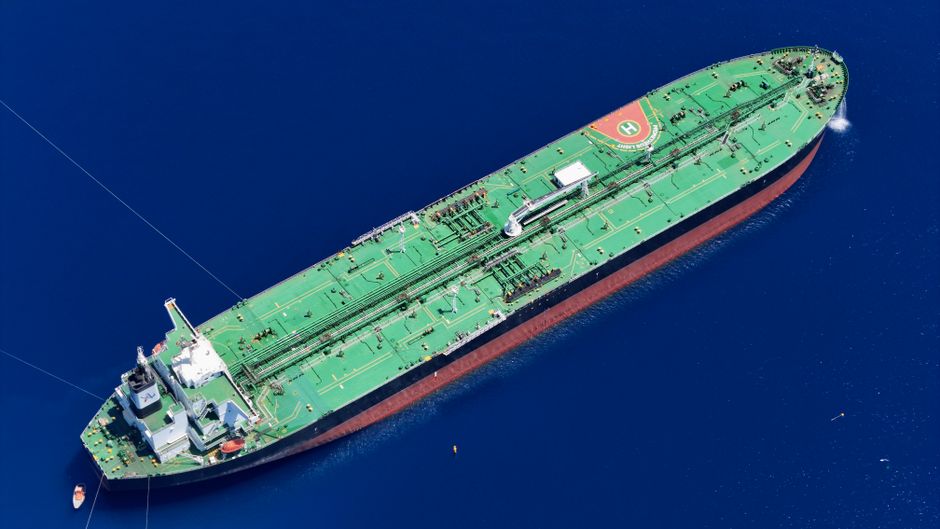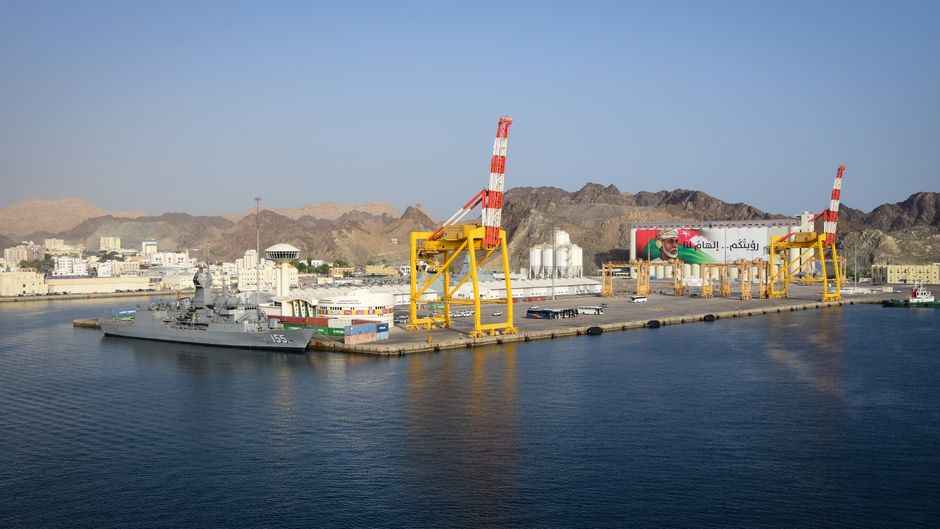
Oman is making a significant push to establish its Sohar Port as a strategic energy transit corridor for India, offering New Delhi a potentially vital alternative routing for Middle Eastern crude and liquefied natural gas imports. The port, situated along the Arabian Sea coast in northern Oman, holds a unique geographic advantage that makes it increasingly attractive to Indian policymakers and energy planners.
The most compelling feature of Sohar Port is its distance from the Strait of Hormuz, one of the world's most critical but also most contested maritime chokepoints. Roughly 20 percent of global petroleum consumption passes through this narrow waterway, and it has repeatedly been a flashpoint during regional tensions between Iran and its rivals. Any disruption there sends shockwaves through global energy markets and directly impacts India, which imports over 85 percent of its crude oil requirements from the Middle East.
Sohar Port's proximity to major energy infrastructure sets it apart. It sits relatively close to vital pipelines that carry oil and gas from the United Arab Emirates' field complexes and eastern Saudi Arabia toward global export terminals. This geographic positioning means cargo bound for India can potentially avoid the Hormuz bottleneck entirely by routing through Sohar and then across the Arabian Sea.
Indian officials have taken note of this opportunity. Energy security has long been a cornerstone of India's foreign policy, particularly given its rapidly growing demand for petroleum products. New Delhi has been actively diversifying its supply routes and trade partnerships across the Gulf region, seeking to reduce dependence on any single corridor.
Oman's government views the port expansion as mutually beneficial. By attracting more Indian shipping traffic and logistical investment, Sultanate aims to transform Sohar into one of the region's leading transshipment hubs. Infrastructure upgrades at the port, including deeper berths capable of handling larger vessels and expanded storage facilities for liquid cargo, have been under discussion as part of this vision.
Analysts suggest that while Sohar Port will not replace the Strait of Hormuz overnight, it represents a meaningful addition to the portfolio of routes available to energy-importing nations. For India, even a partial shift in routing could enhance resilience against future geopolitical disruptions in the Persian Gulf.