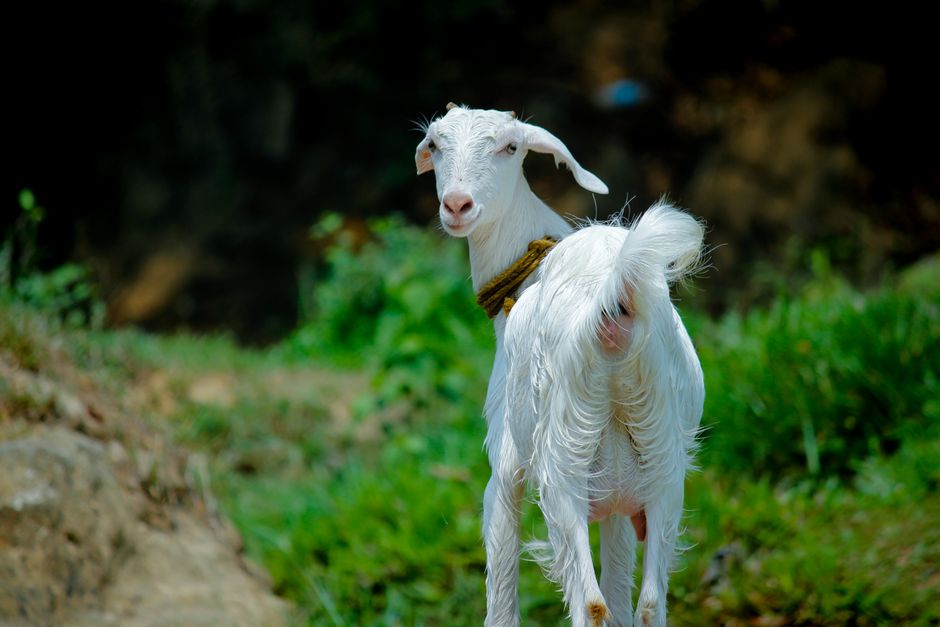
Scientists at the Kerala Veterinary and Animal Sciences University in Kunnamkulam have achieved a significant breakthrough in understanding the genetic lineage of the Malabari goat, one of Kerala's most prized indigenous livestock breeds. The research team successfully sequenced the first complete mitochondrial genome of this rare goat variety, revealing genetic markers that align with historical trade patterns stretching back over a thousand years.
The findings, published recently by the university's molecular biology research group, suggest that goats belonging to the Malabari breed may have been carried aboard merchant vessels traversing the Arabian Sea as part of the ancient spice trade network that connected the Malabar Coast with ports across the Middle East, East Africa, and Southeast Asia. Mitochondrial DNA is passed down exclusively through the maternal line, making it an excellent tool for tracing ancestral origins and migration patterns over long periods.
According to the researchers, the genetic profile of the Malabari goat shows distinct markers that are uncommon in other Indian goat breeds but bear similarities to certain populations found in regions that were active participants in the historic Indian Ocean trade. While the study does not definitively prove that every Malabari goat descended from animals introduced via spice traders, it provides compelling molecular evidence that cannot be ignored when considering how this breed may have reached its current stronghold in Kerala's Malabar region.
The Malabari goat, known locally as 'Malapara,' has been reared predominantly in the northern districts of Kerala, particularly in Kannur, Kasaragod, and Wayanad. Farmers value the breed for its hardiness, disease resistance, and high-quality meat. The breed has been classified as indigenous and is currently under conservation efforts by state agricultural authorities, though its numbers have declined in recent decades due to cross-breeding with exotic varieties and changing pastoral practices.
Lead researcher Dr. Shiny Thomas, who heads the university's go genomics laboratory, noted that this is only the second study of its kind to examine Indian native goat breeds using complete mitochondrial sequencing, underscoring how little is yet known about the genetic history of India's rural livestock. The team plans to expand their work to nuclear DNA analysis to build a more comprehensive picture of the breed's evolutionary journey.