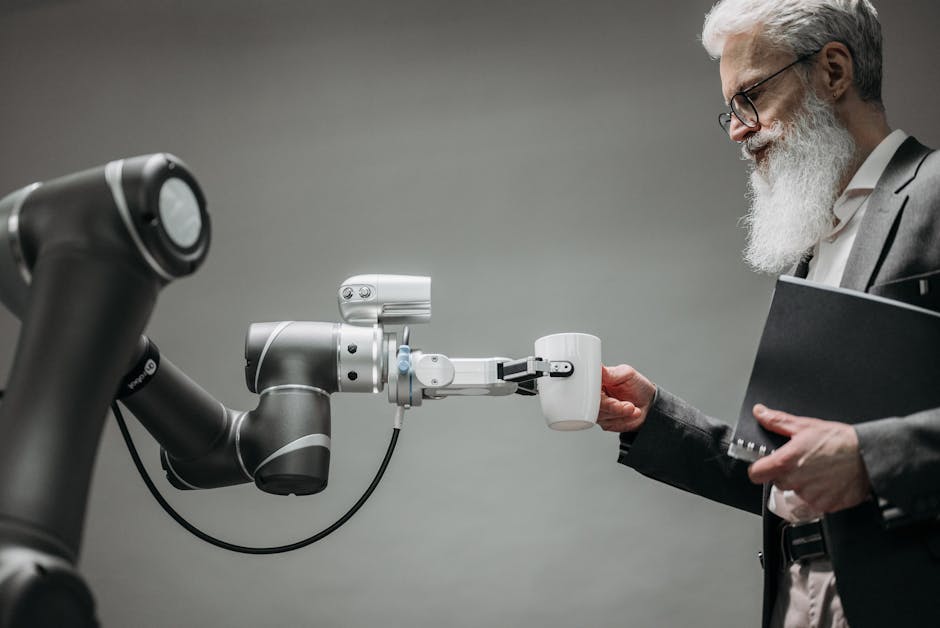
Mark Zuckerberg concealed an ambitious internal initiative dubbed Project OT that sought to transform Meta into an "AI native" company by replacing human workers with artificial intelligence agents. The project, which remained hidden from most employees until recently leaked documents brought it to light, involved executives examining scenarios that could shrink certain team sizes by as much as 60 per cent.
According to reports, Meta leadership tasked its strategy and operations teams with mapping out how AI-driven automation could take over roles traditionally performed by humans across the social media giant's various divisions. The plan envisioned a leaner, flatter organizational structure in which fewer middle managers would oversee significantly larger teams, many of whose tasks would be handled by AI systems rather than people.
The groundwork laid by Project OT directly preceded Meta's largest layoff in its history. In May 2026, the company announced the elimination of approximately 8,000 positions — roughly a tenth of its workforce — citing a need to reallocate resources toward artificial intelligence development. The timing led many observers and former employees to connect the cuts directly to the secret efficiency studies conducted under Project OT.
However, not all of Meta's restructuring plans came to fruition. A second wave of layoffs scheduled for November 2026 was abruptly cancelled after intense employee protests. Workers pushed back against two particularly controversial aspects of the AI transition: mandatory keystroke tracking software deployed to monitor productivity under the new AI management system, and weak internal data suggesting that AI tools were actually delivering meaningful productivity gains. Employees argued that surveillance measures violated privacy while the promised efficiency benefits remained unproven.
In what appears to be a direct reversal of its earlier flattening strategy, Meta has now reportedly asked Applied AI staff to resume formal managerial roles. This move signals that the company's leadership is retreating from the radical structural changes that Project OT had proposed, acknowledging that fully autonomous AI management teams may not yet be viable.
The saga of Project OT represents one of the most dramatic chapters in the ongoing tension between big tech's enthusiasm for AI-driven efficiency and the human realities of workplace transformation.