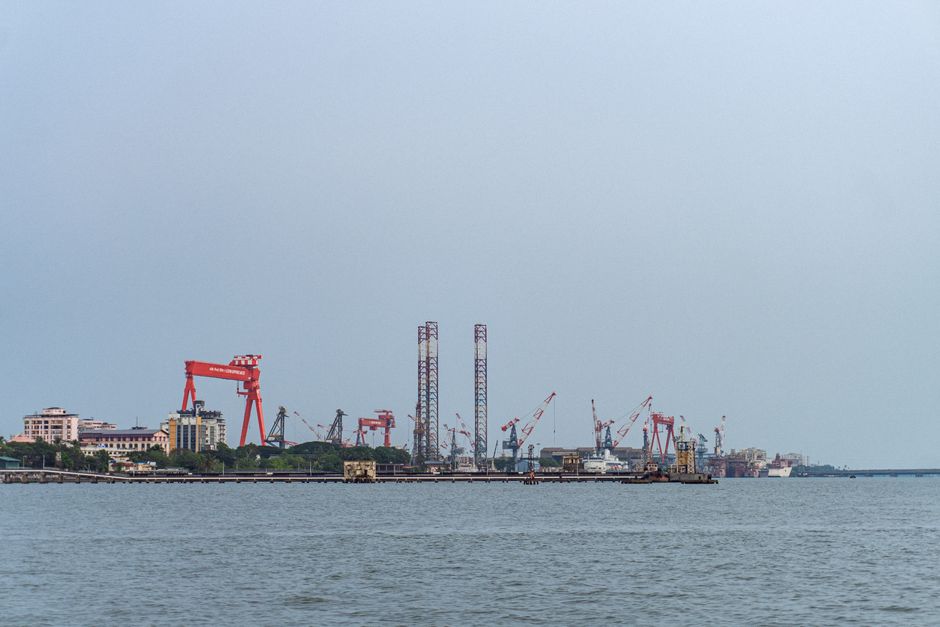
India is accelerating its efforts to establish itself as a major shipbuilding nation, deploying a mix of financial incentives, infrastructure expansion, and export-oriented policies designed to shrink reliance on foreign vessel imports and capture a growing share of global orders.
The push comes against the backdrop of a shipping industry increasingly focused on clean fuels, digital navigation, and sustainable construction — areas where Indian yards have been investing heavily. Several large public-sector and private shipyards along the western and southern coasts have received orders for liquefied natural gas carriers, ultra-large container ships, and offshore support vessels, marking a shift from traditional cargo haulers to higher-value builds.
Government backing has been central. Policy changes introduced over the past year include fiscal benefits under the Maritime India Vision framework, streamlined clearance processes through an integrated port-and-shipyard digital system, and preferential procurement rules that prioritize domestically built vessels for the merchant navy and coastal trade. Officials have repeatedly pointed out that India currently imports the vast majority of its commercial ships despite having a large fleet and strategic coastline, a gap that represents both an economic drain and a missed industrial opportunity.
Experts note that competition remains stiff. South Korea, Japan, and China continue to dominate global order books, but India's lower construction costs, a growing cadre of trained engineers, and proximity to major maritime routes offer a competitive edge — especially for regional buyers in the Middle East and Southeast Asia.
The Indian Navy and Coast Guard are also ramping up procurement of domestically manufactured patrol vessels, patrol craft, and support ships, providing a reliable demand floor while commercial exports take shape. Union Budget allocations in recent years have earmarked significant funds for port modernization, green dock facilities, and skill-development centres aimed at feeding the shipbuilding workforce with welding, marine engineering, and CAD design expertise.
Industry players say the trajectory is encouraging but stress that sustained momentum depends on consistent policy delivery, faster dispute resolution, and deeper integration with global supply chains for specialized steel and propulsion systems. Still, the overall direction is clear: New Delhi is determined to turn its long coastline into a shipbuilding corridor that rivals established global hubs.