India's position in the global defence landscape has undergone a radical transformation in recent years, evolving from one of the world's largest weapon importers into a credible and competitive arms exporter. Official data shows that defence exports reached approximately ₹21,462 crore in the fiscal year 2024-25, a staggering jump from ₹2,767 crore in 2022-23, marking a roughly eight-fold increase in just two financial years.
The Indian government attributes this surge to a series of structural reforms introduced since 2017-18, when defence exports stood at a mere ₹328 crore. Key policy shifts include the introduction of the 'Positive Import List', which bans the procurement of 101 categories of defence equipment and weapons systems from overseas, effectively forcing the armed forces to source domestically. Additional measures include streamlined procurement procedures, enhanced credit guarantees for private defence manufacturers, and the creation of the Defence India Startup Challenge to spur innovation in the sector.
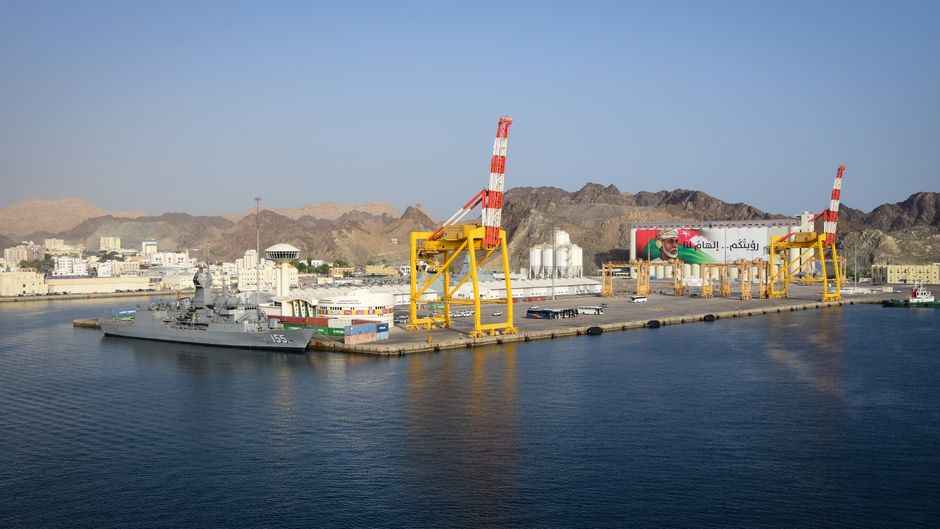
India now supplies a wide range of defence products to over 75 countries across Africa, Southeast Asia, the Middle East, and Latin America. Notable exports include BrahMos supersonic cruise missiles to the Philippines, Pinaka multi-barrel rocket launchers to Armenia, Trishul short-range surface-to-air missiles to Egypt and Mongolia, K-9 Vajra self-propelled howitzers to Iraq and Bulgaria, and advanced electronics systems from the Defence Electronics Agency. India also exported five Dornier maritime patrol aircraft to the Maldives and five Light Combat Aircraft Tejas to the Sri Lanka Air Force.
The Indian Navy's indigenously built Nilgiri-class guided missile frigate, INS Nilgiri, was delivered to the Philippines, while a batch of Tejas Mk1A fighter jets was handed over to the Indian Air Force. The Maritime Missile Defence System for frigates, developed collaboratively by DRDO and L&T, was exported for the first time ever.
Industry estimates place the global arms trade at over $450 billion annually, and India, with its combination of competitive pricing, proven battlefield performance, and non-restrictive sale policies, is increasingly seen as an attractive alternative to traditional Western and Russian suppliers. Prime Minister Narendra Modi has repeatedly stated that India aims to become a top-five global arms exporter in the coming decades, with some officials citing a vision of $10 billion in annual defence exports by 2030.
Analysts note that India's defence manufacturing base has matured significantly, with companies such as Hindustan Aeronautics Limited, Bharat Electronics Limited, and Ordnance Factory Board plants scaling up production. The private sector, including companies like Tata Advanced Systems and Mazagon Dock, has also emerged as a key player in the export ecosystem.