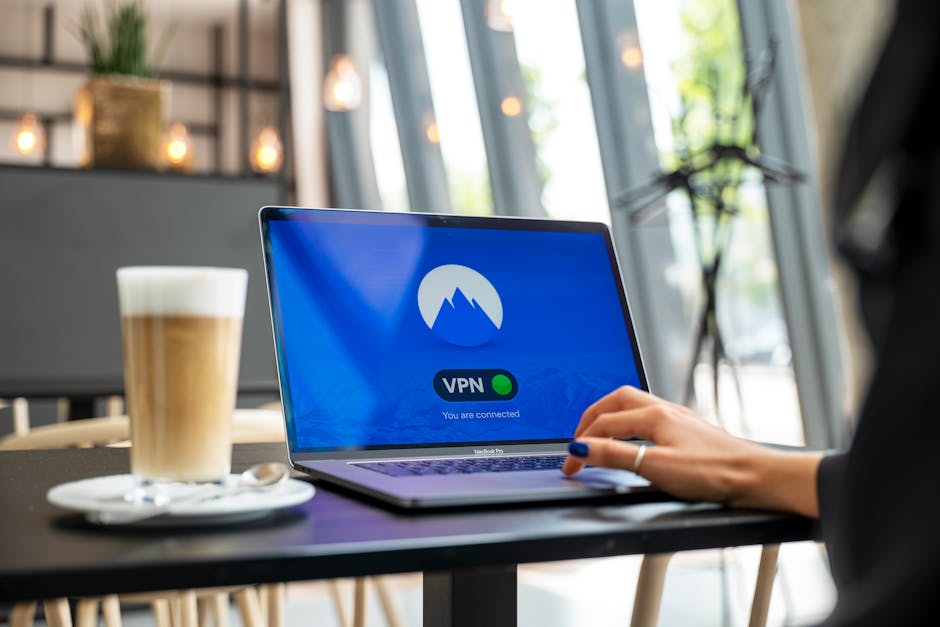
The question of whether to leave your virtual private network switched on all the time has sparked debate among cybersecurity professionals and everyday internet users alike. While VPNs offer well-documented advantages, keeping them active continuously is not automatically the right move for everyone.
A VPN encrypts your internet connection, masking your IP address and shielding your online activity from prying eyes. For people using public Wi-Fi at cafes, airports, or hotels, this protection can be crucial. It prevents hackers on the same network from intercepting sensitive data such as login credentials, banking details, and personal messages.
However, cybersecurity analysts warn that VPNs are not a magic shield. Some services log user data, sell browsing information to third parties, or suffer from security breaches themselves. The quality of protection depends entirely on the reputation and privacy policies of the provider you choose.
There are also practical drawbacks to running a VPN nonstop. Encryption adds processing overhead, which can slow down your internet speed significantly. Streaming services and online gaming platforms sometimes block VPN traffic, leading to buffering or disconnection issues. Additionally, some websites and banking apps flag VPN usage as suspicious and may temporarily lock accounts until the connection appears normal.
Experts recommend a balanced approach. Users who prioritize privacy and regularly access unsecured networks should consider keeping their VPN enabled permanently. Those who mainly browse from trusted home networks and value maximum speed may prefer to activate it only when needed, such as during travel or on public networks.
Before committing to always-on usage, users are advised to review their VPN provider's privacy policy, check independent security audits, and test whether certain applications function properly with the connection active. The decision ultimately hinges on individual risk tolerance and daily internet habits rather than a blanket rule.