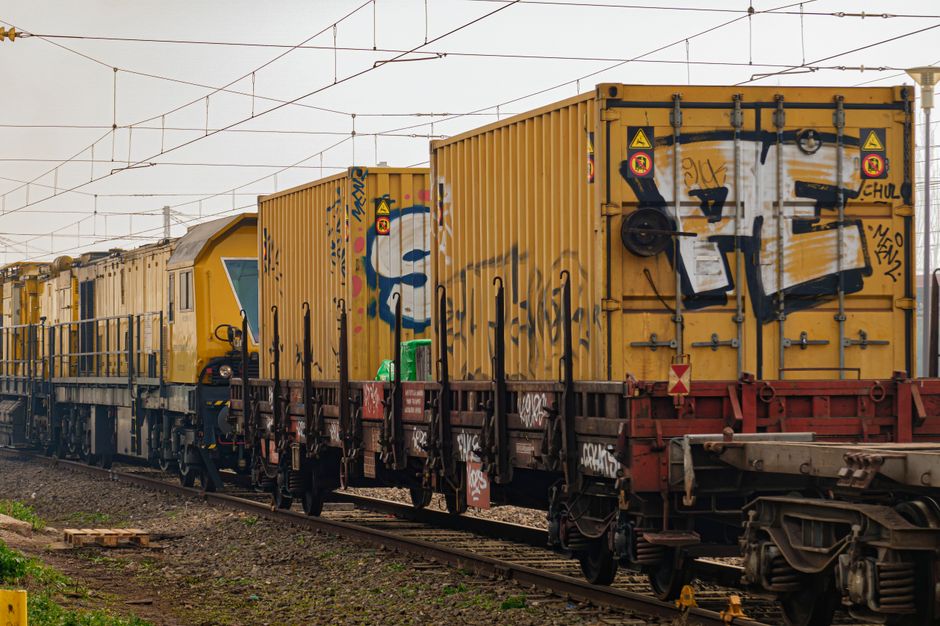
A block train of 55 container wagons carrying Chinese goods destined for Iran rolled across the border from China's western Xinjiang region into Kazakhstan on September 7, according to a report by the Russian news agency Interfax citing officials at Uzbekistan's freight rail operator. The train is expected to continue its journey through Uzbekistan and Turkmenistan before reaching Iranian territory.
The route highlights an expanding overland trade artery connecting two of Asia's key economies that have increasingly relied on Central Asian transit corridors in recent years. While the specific cargo onboard remains undisclosed, analysts say such shipments typically include manufactured goods, electronics, and industrial materials moving westward, with Iran exporting petrochemicals, dates, and other regional products back eastward.
The route follows a pattern that has grown more common since international sanctions on Iran were reimposed following the collapse of the 2015 nuclear deal. With sea lanes facing risks of insurance and financial scrutiny, overland alternatives through Central Asian republics have gained prominence. These railways are part of what Beijing has promoted under its Belt and Road Initiative, which envisions a sprawling network of land-based trade routes linking China with Europe, the Middle East, and Africa.
Uzbekistan, in particular, has positioned itself as a critical logistical hub between East and West. Tashkent has invested heavily in modernizing its rail infrastructure and offering streamlined customs procedures to attract transit traffic. The country borders both Kazakhstan and Turkmenistan, making it a natural funnel for goods moving along the northern corridor toward Iran.
The Central Asian route through Kazakhstan, Uzbekistan, and Turkmenistan offers a different profile than either the southern sea route through the Persian Gulf or the Eastern Rail Corridor that runs through the Caucasus. Each has advantages and bottlenecks: the northern rail route avoids maritime chokepoints but faces varying gauge standards and bureaucratic hurdles at each border crossing.
Iran has long sought to deepen trade links with Central Asian neighbors to reduce its isolation. The two countries already operate regular freight services, and both Beijing and Tehran have signaled interest in expanding connectivity projects, including potential rail and highway links that would streamline movement of goods across the region.