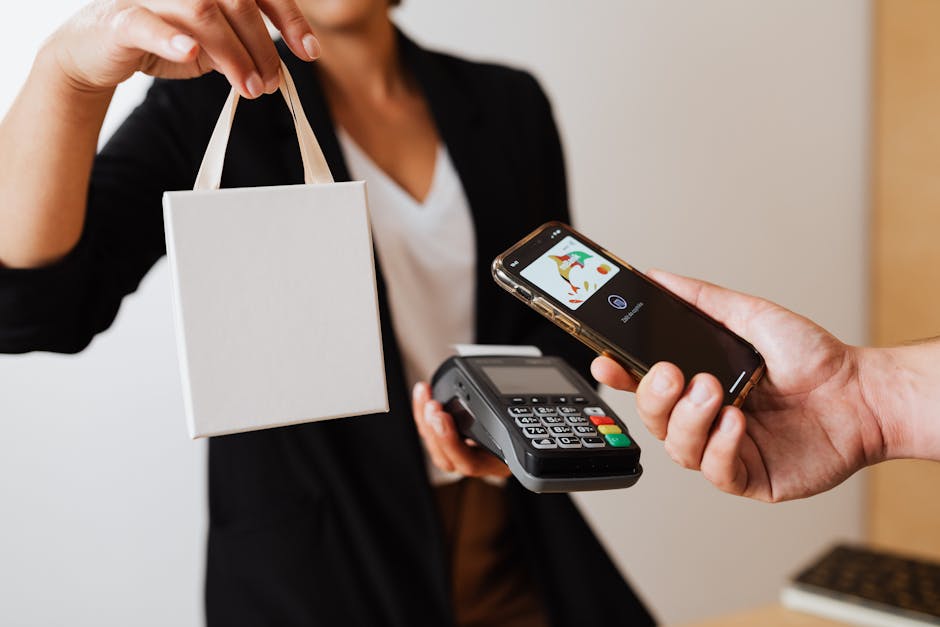
Smartphone payment apps have become routine for millions of shoppers across India and beyond, yet the rivalry between Apple Pay and Google Pay goes well beyond a simple brand preference. Although each service is naturally locked to its own platform — Apple Pay for iPhones and Apple devices, Google Pay for Android handsets — several practical differences exist that savvy consumers should understand before linking their bank accounts or setting up transit passes.
The most visible divergence lies in card support. Google Pay works with a broader range of contactless terminals and has historically been more generous with adding support for prepaid and international debit cards. Apple Pay tends to prioritise partnerships with major banks, meaning some smaller institutions may not appear until later. This can matter significantly in markets where digital payment infrastructure is still expanding.
Loyalty and rewards integration also tilt differently. Google Pay allows users to store loyalty cards, boarding passes, and coupons directly alongside payment credentials, creating a single digital wallet experience. Apple Wallet offers similar functionality through the Cards app, but third-party integrations vary widely depending on whether a retailer has built an Apple-specific partnership.
Transit card support reveals another split. Several cities worldwide have added Google Pay commuter cards ahead of Apple equivalents. In India, while both platforms support UPI-linked transactions through partnered apps, the native wallet experience for metro and bus passes remains limited compared to countries like the United States or the United Kingdom.
Security models differ too. Both rely on tokenisation — replacing real card numbers with unique device identifiers — but Apple emphasises biometric verification via Face ID or Touch ID at the point of sale, whereas Google Pay offers a mix of screen lock authentication and optional additional PIN steps for larger purchases.
Cross-platform friction is the final consideration. Moving payment history or loyalty data between Apple Wallet and Google Pay is not straightforward; neither company makes exporting credentials easy, largely to prevent fraud. Users therefore face a lasting commitment once they choose their primary mobile payment ecosystem.
As contactless spending grows globally, these distinctions will only sharpen. For now, the choice remains less about which app is superior and more about which one aligns with your banking relationships, frequent merchants, and daily commute needs.