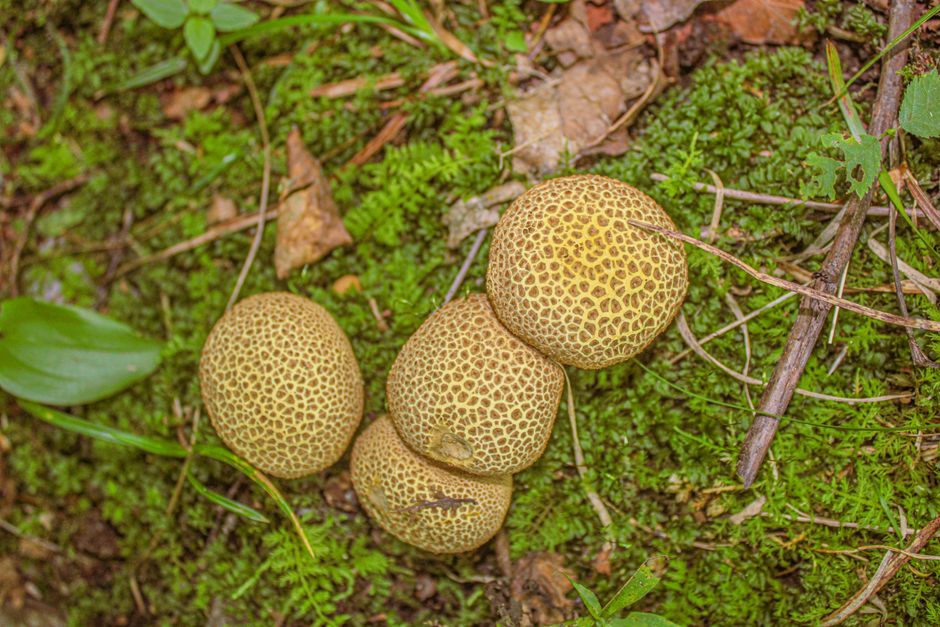
Across Vermont and the broader New England region, autumn has brought with it a spectacular display of wild mushrooms emerging from forest floors, leaf litter, and decaying wood. Enthusiasts, amateur mycologists, and photographers have flocked to wooded areas to observe species ranging from the dramatic Shagly Mane — also known scientifically as Coprinus comatus — to a variety of colorful caps and unusual forms that appear almost only during the cooler months.
The Shagly Mane, with its tall, cylindrical cap covered in shaggy, upturned scales, has become something of a poster child for the season. As the mushroom matures, its gills self-digest into a black, inky liquid — a process called deliquescence — giving it an almost alien appearance that has earned it a place among what some call the more unsettling fungi of the forest.
Experts say the timing is driven by a combination of factors: warm summer soils that have built up organic matter, followed by cool autumn nights and consistent rainfall that trigger fruiting bodies to emerge. According to mycologists at regional universities and natural history organizations, this year's conditions have been particularly favorable, resulting in above-average abundance in many areas.
Forest trails in state parks and conservation areas have seen increased foot traffic from mushroom foragers and nature observers. Officials caution that while observing fungi in the wild can be a rewarding experience, many species are poisonous and should never be consumed without expert identification. The line between edible and deadly can be extremely thin — some toxic mushrooms look nearly identical to safe varieties.
Local gardening clubs and outdoor organizations have started hosting guided mushroom walks and workshops to help the public learn about the ecological role fungi play in forest health. Fungi are essential decomposers, breaking down dead organic material and returning nutrients to the soil, supporting the entire woodland ecosystem.
The peak of the season is expected to continue through October, with some species persisting into early November depending on weather patterns.