The United States has escalated its pressure on India over New Delhi's sustained procurement of Russian crude oil, with the Trump administration now considering imposing tariffs of up to 100 per cent on Indian goods if the energy purchases continue unabated. The threat represents the most significant trade showdown between Washington and New Delhi since the two countries deepened their strategic partnership in recent years.
The idea of such punitive duties has sent shockwaves through Indian exporting industries. Textiles, pharmaceuticals, information technology services, and agricultural products — all of which form the backbone of bilateral trade worth more than $190 billion in recent fiscal years — could face severe disruptions if the levies materialise. Analysts estimate that the tariffs, if implemented, could cut India's export growth to the US by nearly half over a twelve-month period.
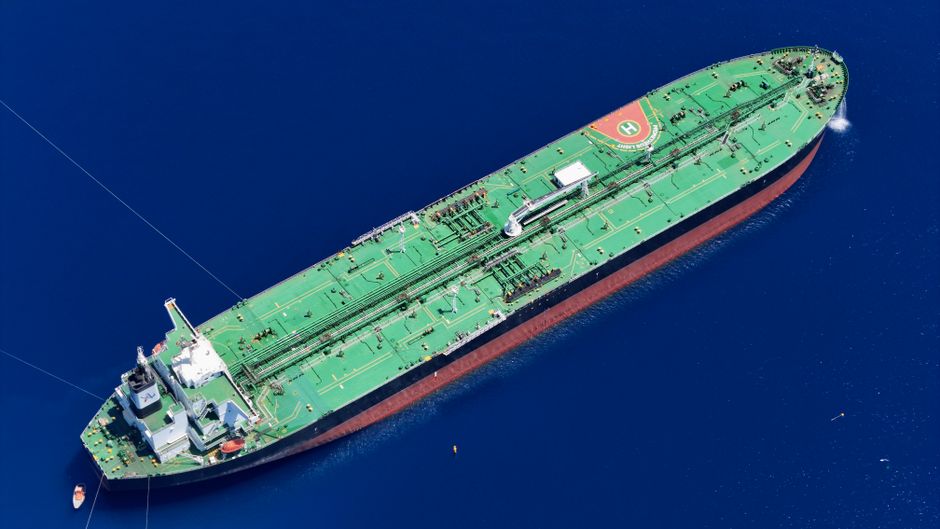
India's reliance on Russian oil surged after Moscow's invasion of Ukraine in early 2022. At the peak of this shift, New Delhi was importing nearly forty per cent of its total crude requirement from Russia, often at discounts of fifteen to twenty dollars per barrel compared to benchmark Brent crude. This arrangement has been a crucial lifeline for India's energy security, helping keep domestic fuel prices manageable even as global crude markets remained volatile amid the ongoing conflict in the Middle East.
White House officials have argued that continued Russian oil revenue strengthens Moscow's war machine and undermines Western sanctions aimed at isolating Vladimir Putin's government economically. US trade representatives have reportedly been drafting the tariff framework, though no formal announcement has been made yet. Sources familiar with the discussions say the administration is also exploring targeted financial sanctions under the Countering America's Adversaries Through Sanctions Act (CAATSA), which could affect major Indian refiners who have continued buying Russian shipments.
In New Delhi, senior government officials have privately expressed frustration, describing the tariff threats as disproportionate and selectively enforced. They point out that India's purchases were driven by market realities and global energy demand rather than political alignment with Russia, and that New Delhi has consistently voted against resolutions critical of Moscow at the United Nations while also maintaining a humanitarian stance on the Ukraine conflict.
Indian exporters are now scrambling to prepare contingency plans. Business groups such as FICCI and CII have requested urgent meetings with Commerce Ministry officials to assess the potential fallout. Some industry leaders are already exploring diversification routes through alternate markets in Southeast Asia and the Middle East to reduce over-reliance on the US commercial relationship.
The diplomatic tightrope is delicate. India shares a growing strategic alliance with the United States — encompassing defence cooperation, technology partnerships, and Indo-Pacific coordination — yet it refuses to subordinate its energy security to American geopolitical demands. Economists warn that any sudden imposition of tariffs could widen India's current account deficit and put additional strain on the rupee, whose value has already faced pressure from rising oil prices elsewhere in the region.