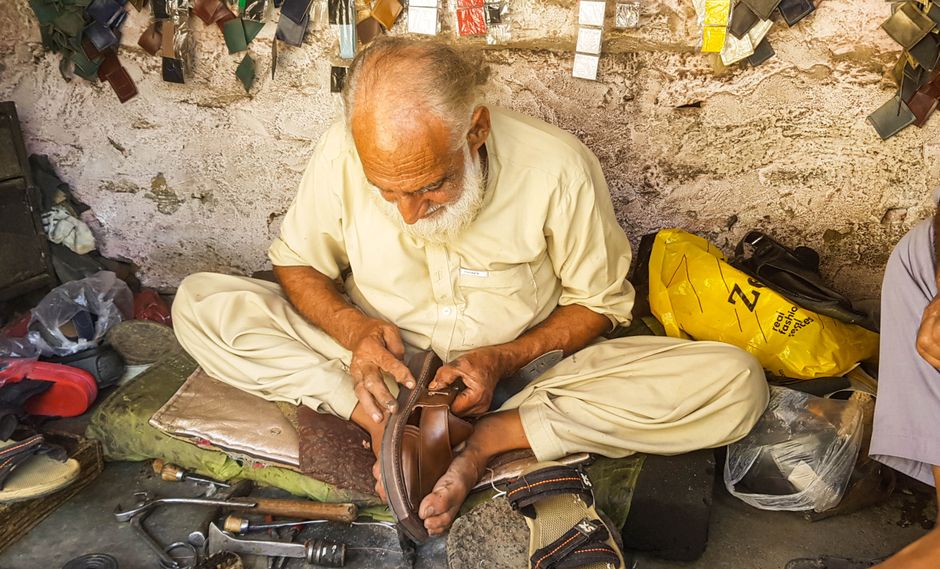
G.N. Gopikrishna, a resident of Belagavi in Karnataka, who is credited with safeguarding the Geographical Indication (GI) tag of Kolhapuri chappals against unauthorized commercial exploitation by the Italian luxury fashion house Prada, has passed away. His contribution to protecting India's traditional crafts from global corporate encroachment is being widely remembered by artisans, cultural activists, and officials across the state.
Kolhapuri chappals, also known as Kolhapuris, are handcrafted leather sandals originating from the Kolhapur district of Maharashtra and surrounding regions of Karnataka. They hold a GI tag, which legally recognizes that the product's unique qualities and reputation are essentially attributable to its geographical origin. Despite this protection, several incidents emerged where international brands reproduced the distinctive silhouette and craftsmanship of these traditional chappals and marketed them at premium prices without acknowledging their Indian roots or compensating the artisans.
When Prada began incorporating a design closely resembling the Kolhapuri chappal into one of its collections without prior consent or licensing, Gopikrishna took notice. Drawing on his deep understanding of GI regulations and his network within the state administration, he orchestrated a meeting between Karnataka government representatives, Prada officials, and the artisan community. The dialogue aimed to ensure that the intellectual property rights of the makers were respected and that the brand could not freely appropriate a design belonging to a registered geographical indication.
Gopikrishna's intervention highlighted a growing concern among Indian handicraft advocates: while GI tags provide legal frameworks for protection, enforcement against well-resourced international companies remains challenging. Artisans who spend weeks crafting each pair of Kolhapuri chappals often see their designs replicated and sold globally for hundreds of times the price they receive.
Friends and colleagues described him as a quiet but determined advocate for rural craftspeople who rarely sought publicity. His death has prompted calls to strengthen mechanisms that empower artisans to defend their heritage against commercial misuse.


