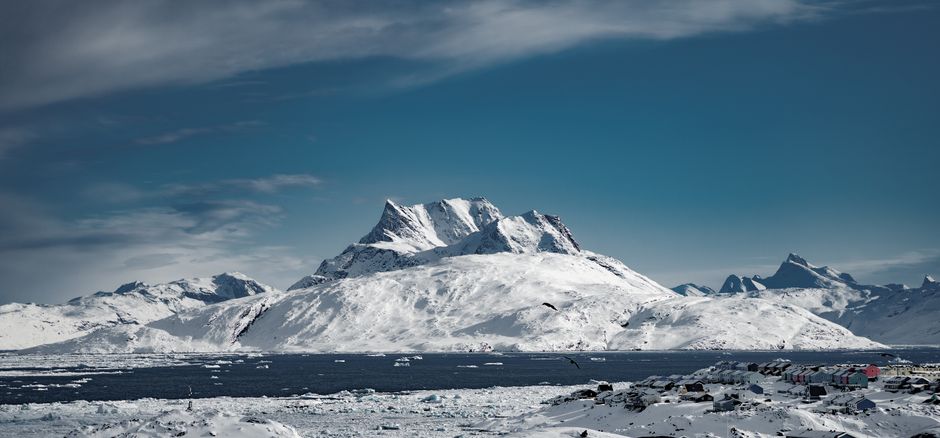
The United States and Denmark are in the closing stages of negotiations for a landmark security arrangement that would give Washington permanent military access to Greenland, a vast Arctic territory belonging to the Kingdom of Denmark. The potential deal marks the most significant shift in US strategic posture in the High North since the Cold War and signals a deepening of American concern over China's expanding footprint in the Arctic.
Under the proposed framework, the US would establish enhanced operational capabilities on the island, including the possible deployment of a missile defense system. Details remain scarce, but officials familiar with the talks indicated that an official update could be announced imminently.
Both Washington and Copenhagen have been careful to stress that any agreement would respect Greenland's self-governing status. Greenland has enjoyed autonomy since 2009, managing its own internal affairs while Denmark retains control over defense and foreign policy. Danish officials have reportedly reiterated that the territory's constitutional position would remain unchanged under any arrangement.
The push for a stronger US military presence comes against a backdrop of intensifying great-power competition in the Arctic. China has labeled itself a "near-Arctic state" and has been pursuing economic and scientific investments across the region, including infrastructure projects in Greenland. Beijing has shown interest in mining operations and port development on the island, prompting alarm among Western officials who view the Arctic as a critical frontier for both trade routes and military strategy.
Greenland's strategic value has long been recognized by the Pentagon. Thule Air Base, operated by the US since 1951, already serves as a crucial early-warning station. The new talks would likely expand that presence significantly.
Critics, however, warn that the push to strengthen US military ties could inflame tensions with both China and Russia, both of which have increasing interests in the melting Arctic. Greenland's own government has yet to issue a public statement on the negotiations, though sources suggest it has been consulted closely by Copenhagen.
If finalized, the agreement would represent a major milestone in transatlantic defense cooperation and underscore how the Arctic has become a focal point of 21st-century geopolitical rivalry.


