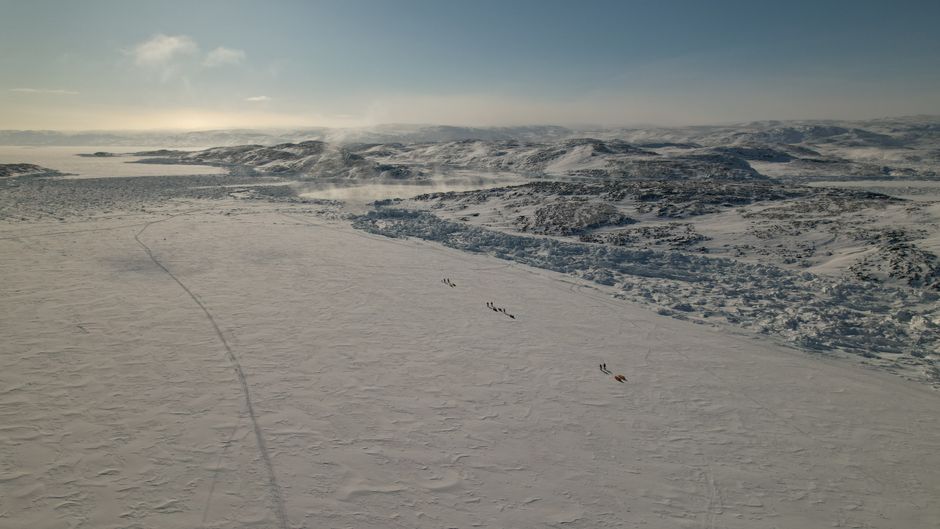
The United States and Denmark have reached a landmark agreement on the future of Greenland, a self-governing Danish territory that Trump's administration has long viewed as strategically vital. According to officials in the office of Danish Prime Minister Mette Frederiksen, the formal deal will be signed by three governments — the United States, Denmark, and the home-rule government of Greenland — during next week's session of the United Nations General Assembly in New York.
The agreement marks a dramatic shift in transatlantic relations and revives a proposal first floated publicly by Trump in 2019, when he expressed interest in purchasing the Arctic island from Denmark. Back then, the Danish government firmly rejected the overture, calling it absurd. Eight years later, the diplomatic posture appears to have changed significantly.
However, all three parties cautioned that the signing at the U.N. would represent only an initial framework. The deal still requires ratification through parliamentary processes in both Denmark and Greenland before it can take legal effect. In Denmark, any transfer of sovereignty over Greenland would likely demand a supermajority vote in the Folketing and could trigger fierce political opposition. In Greenland, where the local parliament must also approve the terms, public opinion remains deeply divided — while some leaders see economic opportunity in closer ties with Washington, many citizens view the island's sovereignty as non-negotiable.
Analysts say the driving forces behind the deal include Greenland's growing geopolitical importance as Arctic ice melts and new shipping routes and resource deposits become accessible. The island sits astride critical Atlantic-Arctic maritime pathways and hosts Thule Air Base, a key U.S. military installation. Washington is also eyeing Greenland's vast reserves of rare-earth minerals, which are seen as essential to reducing American dependence on China for critical supply chains.
Under the proposed arrangement, Denmark would retain oversight of Greenland's foreign policy and defense matters, while the United States would gain expanded economic and strategic access. The financial terms of the deal — whether a direct purchase price, lease arrangement, or partnership structure — have not been publicly detailed.
World leaders and geopolitical observers are watching closely, noting that the outcome could redefine Arctic diplomacy and reshape North Atlantic security architecture for decades.


