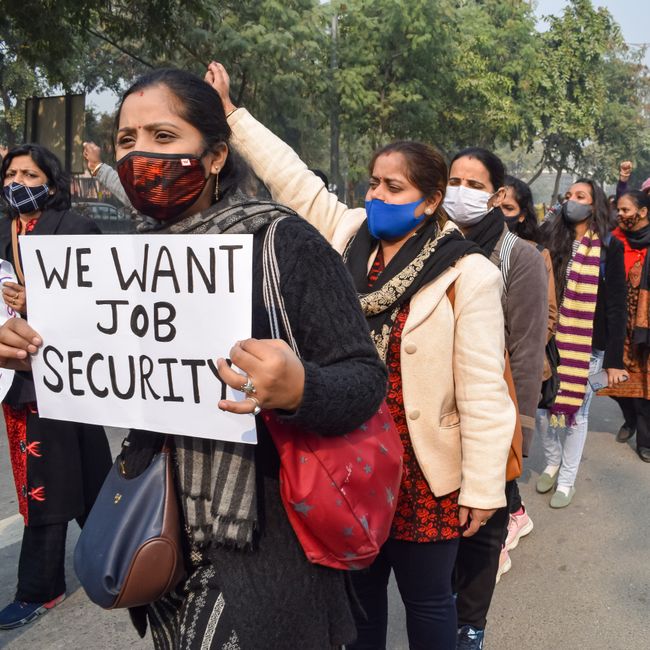
Job aspirants took to the streets across multiple cities in Karnataka this week, staging large-scale protests over the persistent backlog of approximately 2.8 lakh government vacancies that continue to stack up across various state departments. The demonstrations, which saw participation from thousands of young applicants, were driven by mounting frustration over the slow pace of recruitment and the prolonged uncertainty hanging over their career prospects.
The grievances stem primarily from the lengthy gap between when positions are declared vacant and when actual recruitment drives are conducted. Various departments ranging from education and health to police and administrative services have accumulated significant backlogs over several years. Applicants who had cleared preliminary examinations found themselves waiting indefinitely for final selection lists, medical checks, and subsequent postings.
The Karnataka Public Service Commission, which conducts recruitment for state-level positions, has faced criticism for processing applications at an pace that many consider inadequate given the volume of vacancies. Additionally, the state government's reliance on interim measures such as the Vachana process — where candidates are appointed provisionally based on merit lists — has not fully addressed the scale of the problem, leaving thousands still outside the employment system.
Protest organizers argued that the delay was not merely administrative but reflected a broader failure in prioritizing youth employment in the state's policy framework. They demanded the immediate release of recruitment notifications, faster finalization of merit lists, and a time-bound plan to clear all pending vacancies within a specified timeframe.
Government sources indicated that recruitment cycles involve multiple stages including notification issuance, application verification, examination conduct, result declaration, and finally appointment — each step contributing to the overall delay. Political parties opposed to the current administration also seized on the issue, calling it a symptom of governance failure and pressing for accelerated hiring.