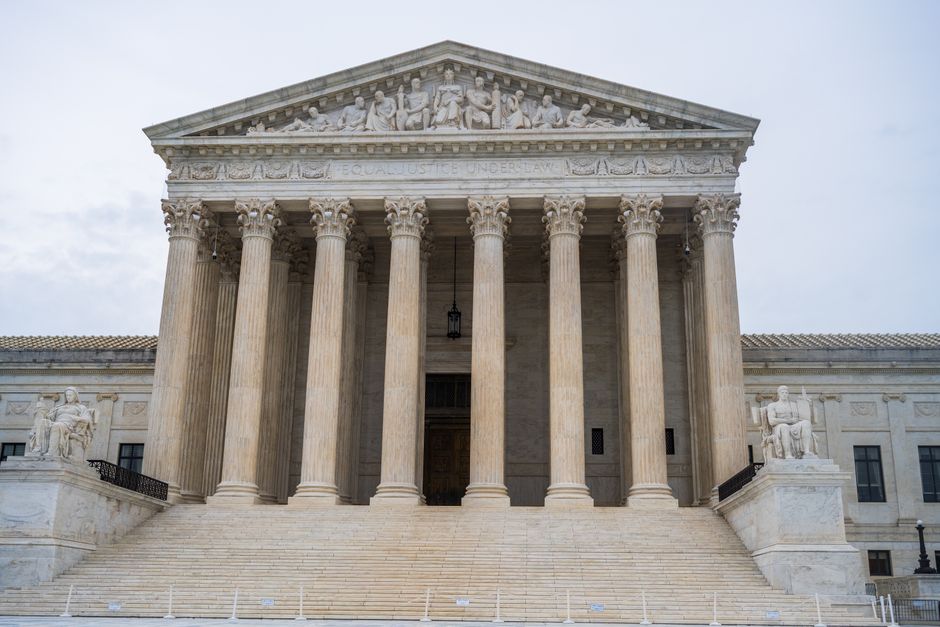
The Supreme Court of India delivered a sharp reprimand on Thursday, expressing serious concern over a growing number of anonymous complaints being directed at sitting judges, court-appointed amici curiae, and prominent counsel. The Chief Justice, speaking during a routine hearing, stated that such faceless complaints undermine the integrity of the judicial process and risk tarnishing the reputations of officers of the court without any accountability or recourse for the accused.
The court observed that several anonymous petitions had been filed questioning the conduct and impartiality of certain judges, as well as the amicus curiae and senior lawyers appointed by it in various matters. Legal experts said anonymous complaints have historically created a culture of fear within the judiciary, where judges and officers assisting the court operate under constant threat of defamation without the complainant ever having to stand by their allegations.
In a separate but equally stern observation during the same proceedings, the Supreme Court also turned its attention to the real estate sector, expressing deep frustration over widespread malpractices by builders and developers. The court noted that many real estate promoters continue to misuse government-sanctioned subvention schemes — financial arrangements that allow homebuyers to pay less upfront while the builder arranges interim financing — to siphon off funds meant for project completion.
According to the court, numerous builders have deliberately delayed project timelines, collected money from hundreds of homebuyers, and then refused to refund advances even when projects remain unfinished for years. The judiciary called upon the relevant authorities to ensure strict enforcement of regulatory frameworks governing real estate transactions and to hold defaulting developers accountable through faster adjudication mechanisms.
The dual observations signal the Supreme Court's growing impatience with systemic abuses that affect both the functioning of the judiciary and the livelihoods of ordinary citizens seeking affordable housing.