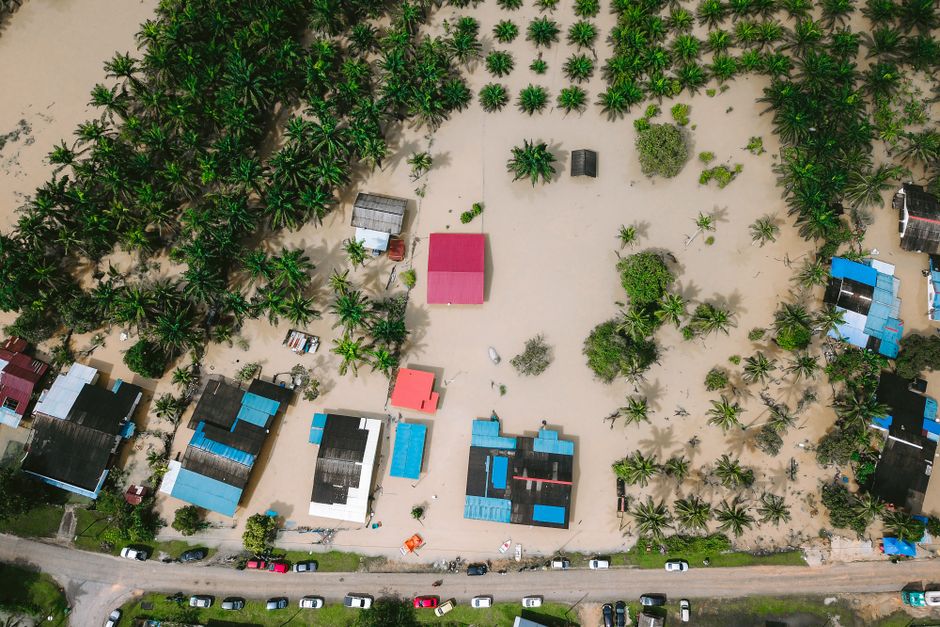
Governments across Asia are scrambling to prepare for what climate scientists are calling a potentially "supersized" El Niño, warning that the coming months could test the region's disaster resilience like never before. The phenomenon, characterized by unusually warm ocean temperatures in the central and eastern Pacific, is expected to disrupt weather patterns across the continent, bringing extreme heat, prolonged droughts in some areas and violent flooding in others.
Sri Lanka has already begun rationing water supplies in several provinces as reservoir levels drop to critical lows, while farmers across the island nation face the prospect of losing entire harvests. In neighboring India, the Meteorological Department has issued early warnings for deficient monsoon rainfall across central and western regions, prompting the government to activate emergency grain reserves and redistribute water resources between states.
Further east, Indonesia and Malaysia are on high alert for devastating wildfires that a drier-than-normal climate could ignite across peatland forests. Thailand and Vietnam are reinforcing flood defenses along major river systems, particularly along the Mekong Delta, which supports millions of livelihoods. In the Philippines and Japan, typhoon preparedness plans are being upgraded, with emergency shelters being stocked and evacuation routes mapped in coastal communities.
South Korea has established a dedicated inter-ministerial task force on El Niño preparedness, coordinating between agriculture, water resources, and disaster management departments. China, meanwhile, is deploying additional reservoir management capacity to balance flood prevention in the south against water supply needs in the drought-hit north.
Climate experts emphasize that this El Niño event may be amplified by ongoing global warming, creating conditions that exceed historical precedents. Dr. Priya Menon, a climatologist at the Asian Institute of Meteorology, noted that "we are looking at a compounding effect where the baseline temperature increase makes every El Niño impact more severe than it would have been decades ago."
Regional cooperation through ASEAN and bilateral agreements is being stepped up, with shared early warning systems and cross-border disaster response protocols being activated. However, analysts warn that many developing nations in the region lack the financial resources and infrastructure needed to mount an effective response, raising concerns about disproportionate impacts on vulnerable populations.