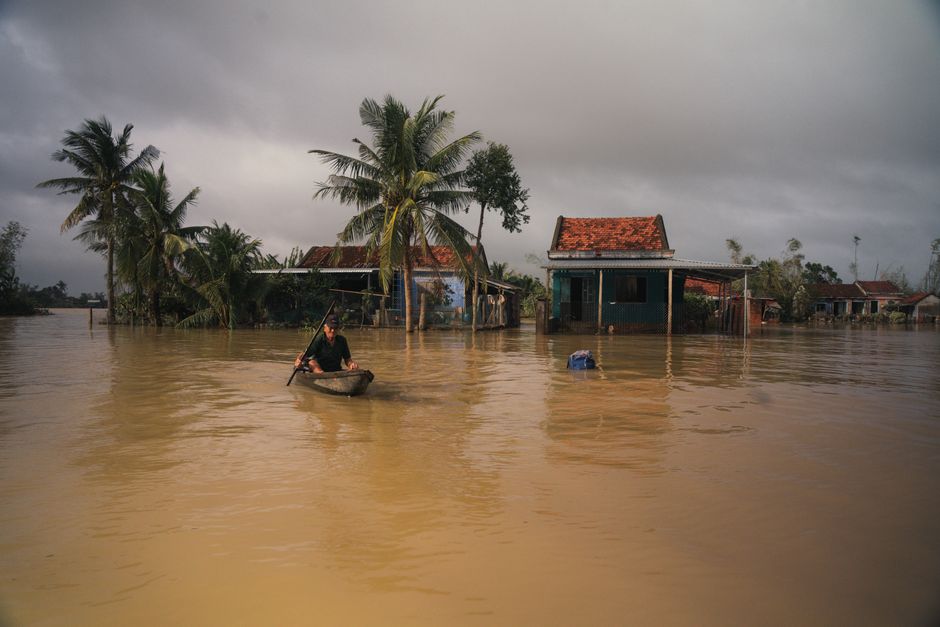
Northern Vietnam is grappling with devastating floods triggered by relentless rainfall that has inundated vast stretches of populated areas and disrupted critical infrastructure across multiple provinces. Authorities report that more than 2,000 homes have been completely submerged, leaving residents stranded without basic necessities such as clean water, food supplies, and electricity.
The deluge has rendered many key transportation routes impassable, cutting off communication between affected communities and emergency response teams. Over 1,000 households remain entirely isolated, with some villages accessible only by boat as roads and bridges have been washed away or buried under muddy debris. Rescue operations involving military personnel, local volunteers, and boats have been underway since the worst of the rains began.
The economic impact has been immediate and severe. Markets, small shops, and local businesses in flood-hit zones have been forced to shut down as standing water refuses to recede. Agricultural fields, a primary livelihood for many rural families in the region, have suffered extensive damage with crops destroyed and livestock lost. Farmers estimate significant losses that could take months — or even years — to recover from, particularly for those who lack insurance coverage.
Local governments have established relief camps and distribution centers to provide shelter, meals, and medical assistance to displaced families. Meteorological departments warn that additional rainfall is likely in the coming days, raising fears that the situation could deteriorate further before conditions improve.
This flood event echoes a recurring pattern in northern Vietnam, where the monsoon season regularly brings destructive rains to provinces such as Lai Chau, Dien Bien, Son La, and Hoa Binh. Climate experts note that increasing variability in rainfall intensity has made such events more frequent and unpredictable in recent years.