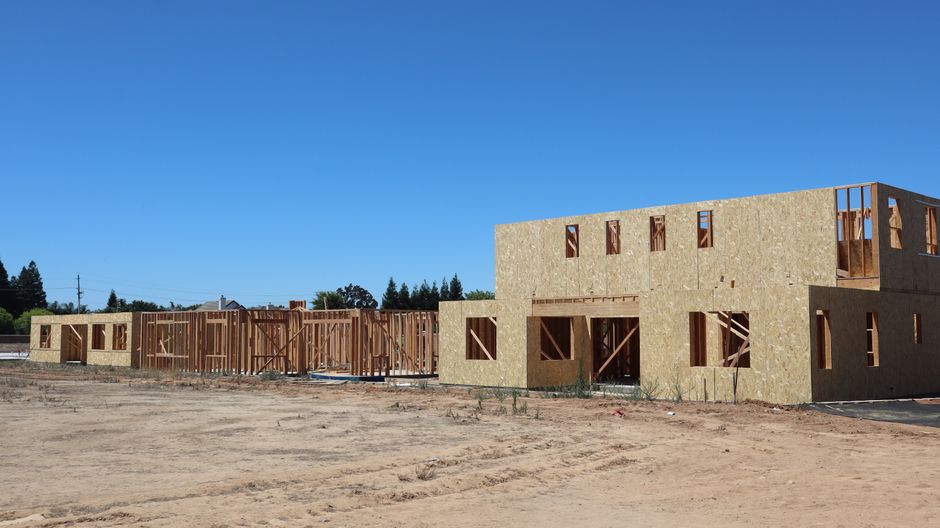
The City of Santa Barbara moved another step closer to addressing a chronic shortage of affordable housing for its public school workforce after a proposed $1 million loan to the Santa Barbara Unified School District was put forward for final City Council approval on Tuesday. If adopted, the loan would help finance the construction of 30 residential units designated exclusively for teachers and other school employees, aimed squarely at the district's growing difficulty in recruiting and retaining educators willing to live in a city where housing costs are among the highest in the United States.
The project is centered on the former Parma School campus located at 915 East Valley Road, a site the district has been evaluating for redevelopment in recent years. The property, which closed as an operating school facility, sits on land that city and district officials have long identified as suitable for mixed-use development, including housing for municipal and educational workers. Turning the underutilized campus into employee housing represents one of the more concrete steps yet taken by local leaders to match the needs of frontline school workers against the reality of the regional housing market.
Santa Barbara Unified School District officials have repeatedly highlighted that a significant portion of their teaching and support staff commute from outside the city limits, often spending two hours or more round-trip each day. Long commutes contribute to educator burnout and make it harder for the district to fill vacancies, particularly in specialized subjects and in schools serving lower-income neighborhoods where turnover rates tend to be highest.
The loan structure itself has drawn attention from housing advocates who view it as a potential model for other California communities struggling with the same intersection of public-employee retention and unaffordable housing markets. Supporters argue that leveraging idle or repurposed public land combined with municipal financing can accelerate delivery of workforce housing faster than relying solely on market-rate developments, which rarely include units priced within reach of education workers' salaries.
Final approval still rests with the full City Council, which will weigh the loan terms, the timeline for the Parma School site redevelopment, and any conditions attached to the funding before casting its deciding votes.