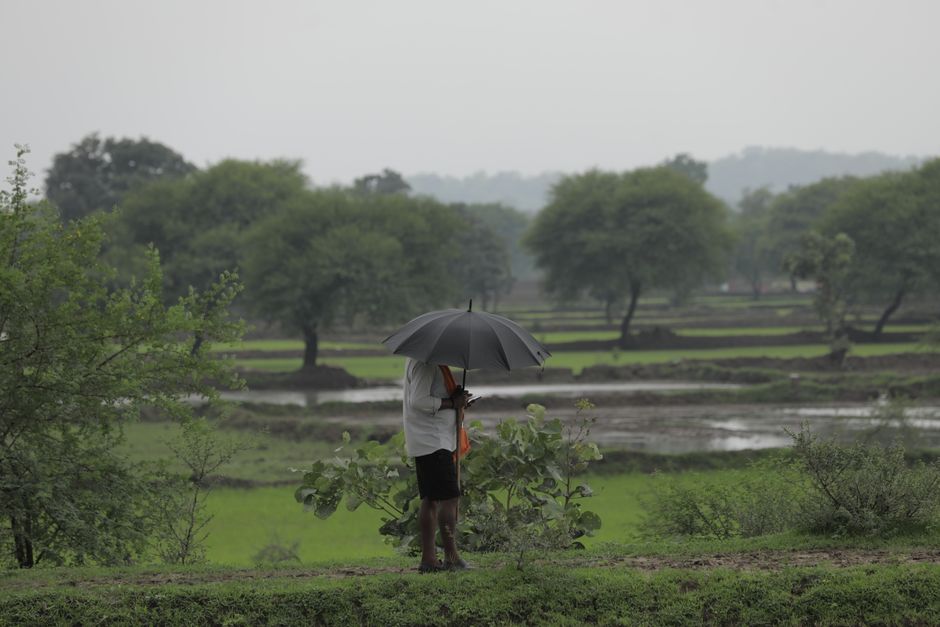
The Indian monsoon is officially beginning its retreat after months of bringing vital rainfall across the subcontinent. According to the India Meteorological Department (IMD), the withdrawal process has commenced from western Rajasthan and is expected to spread gradually across the country over the coming weeks.
Under normal withdrawal patterns, the monsoon first exits from the western states of Rajasthan and Gujarat before moving eastward and southward. The department indicated that after Rajasthan, the rains will slowly recede from Punjab, Haryana, Delhi, and parts of Madhya Pradesh. Following this phase, the monsoon will weaken over Uttar Pradesh, Bihar, Jharkhand, Chhattisgarh, and the remaining areas of Maharashtra before fully withdrawing from the country.
In Uttar Pradesh, rainfall activity is likely to cease from September 22 onward. However, authorities caution that some regions may still experience rain-intensive conditions as the withdrawing system lingers in certain pockets. In Gadha district of western UP, flood-like situations persist due to rising water levels in the Ghaghara river, with approximately 10,000 people currently trapped in flooded areas.
Meanwhile, in Maharashtra, incidents of deaths caused by lightning strikes have been reported during recent thunderstorm activity associated with the weakening monsoon system. Five people lost their lives after being struck by lightning in different parts of the state.
The monsoon withdrawal is a natural and predictable annual phenomenon that typically begins around mid-September in the northwest and completes by early October across most of India. Agricultural communities in northern states are closely monitoring the retreat, as timely withdrawal is crucial for harvesting rabi crops, while delayed or abnormal patterns can cause significant damage to standing crops and infrastructure.
Meteorologists emphasize that although the monsoon is retreating, isolated rain-bearing systems may still bring sporadic showers to parts of central and southern India through the next few weeks.


