Pakistan has introduced a series of stringent fuel conservation measures in an effort to stem an escalating energy crisis that has left the South Asian nation grappling with severe petroleum shortages. The government announced a complete ban on the registration of new cars, a move aimed at reducing daily fuel consumption across urban centers where traffic congestion is already a chronic problem. In addition, strict guidelines have been imposed on social gatherings, with weddings now restricted to serving only a single dish — a dramatic curtailment of cultural traditions that reflects the severity of the situation.
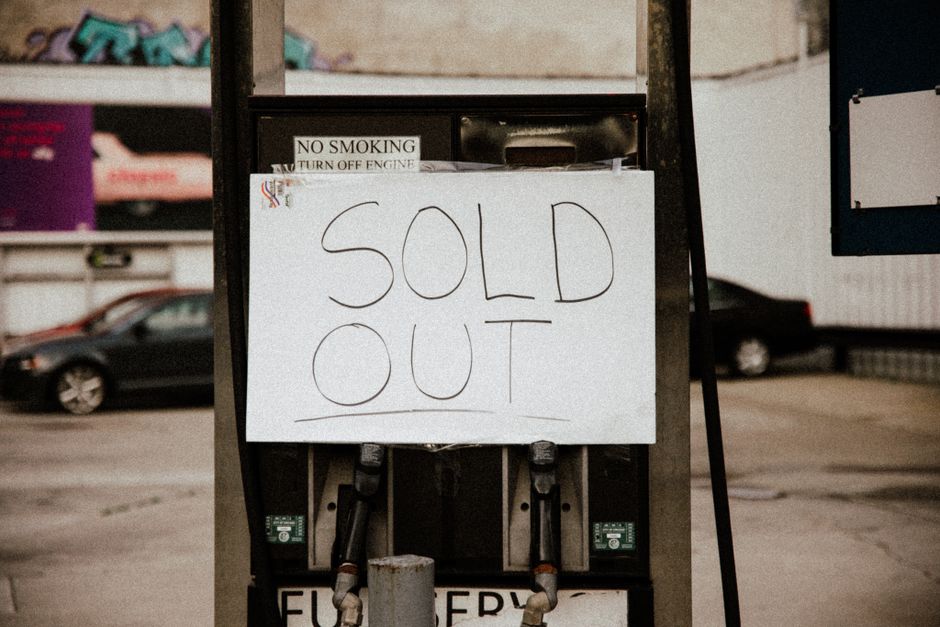
The fuel crisis stems from a combination of factors, including dwindling foreign exchange reserves that limit Pakistan's ability to import crude oil and refined petroleum products, rising global energy prices, and years of underinvestment in alternative energy infrastructure. Supply disruptions have led to long queues at fuel stations across major cities, with citizens waiting hours for even modest quantities of petrol and diesel. Industrial output has been affected, and transportation costs have risen sharply, adding pressure to an economy already struggling with inflation and debt obligations.
Government officials described the measures as temporary but said they would remain in effect until the supply situation stabilizes. Authorities have also urged citizens to adopt carpooling practices and reduce unnecessary travel. Social media has seen widespread debate about the impact on ordinary people, with many expressing frustration over the economic hardship these restrictions impose on families who depend heavily on private vehicles for work and daily necessities.
Economists warn that without significant reform or international financial assistance, the crisis could worsen in the coming months. The restrictions mark one of the most aggressive conservation pushes in Pakistan's recent history, signaling how deeply the nation's energy security has deteriorated.