New Delhi: A coalition of opposition parties has launched a scathing attack on the ruling Bharatiya Janata Party (BJP) after the Election Commission of India imposed a freeze on the Trinamool Congress's party symbol ahead of upcoming electoral proceedings. The controversy centers on a long-standing symbol dispute between the TMC and a faction led by senior leader Dinesh Trivedi, which has triggered accusations of political manipulation from across the spectrum.
In a series of public statements and joint press conferences, leaders from the Indian National Congress, Rashtriya Janata Dal, Dravida Munnetra Kazhagam, and other opposition outfits described the EC's order as politically motivated, arguing that it appeared designed to weaken one of the BJP's most formidable regional rivals heading into key state elections.
Mamata Banerjee, the TMC supremo and West Bengal Chief Minister, has been unyielding in her stance, refusing to back down from the party's claim to its traditional fish symbol. She has characterised the EC's intervention as an attempt to dismantle the party's identity and erode the electoral prospects of a significant opposition voice in the national capital region and eastern India.
Opposition leaders have drawn parallels with past symbol disputes, suggesting a pattern of what they term "institutional bias" favouring the BJP's political allies. They have called for the Election Commission to reconsider its order and urged the central government to intervene where it has jurisdiction over electoral fairness.
Legal experts note that the EC operates under constitutional authority but must balance internal party disputes against the principle of free and fair elections. The party which has held the symbol longest and uses it consistently typically retains precedence, though the commission retains final discretionary power.
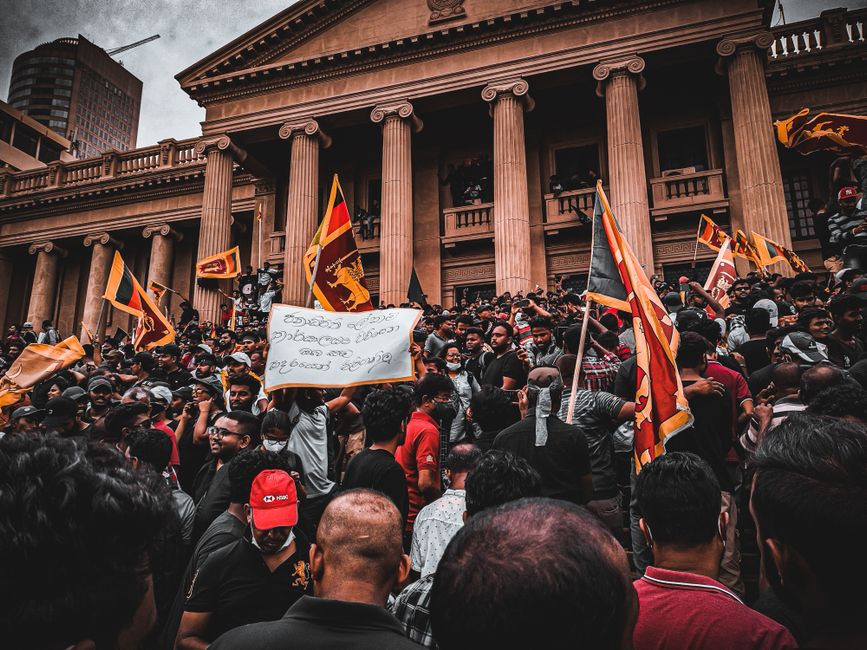
The fallout has already sparked protests in several West Bengal cities, with TMC workers rallying outside election offices and demanding the restoration of the fish symbol. Political analysts warn that the episode could further polarise an already tense electoral environment and potentially influence voter behaviour in the state, where the TMC has been the dominant force for over a decade.