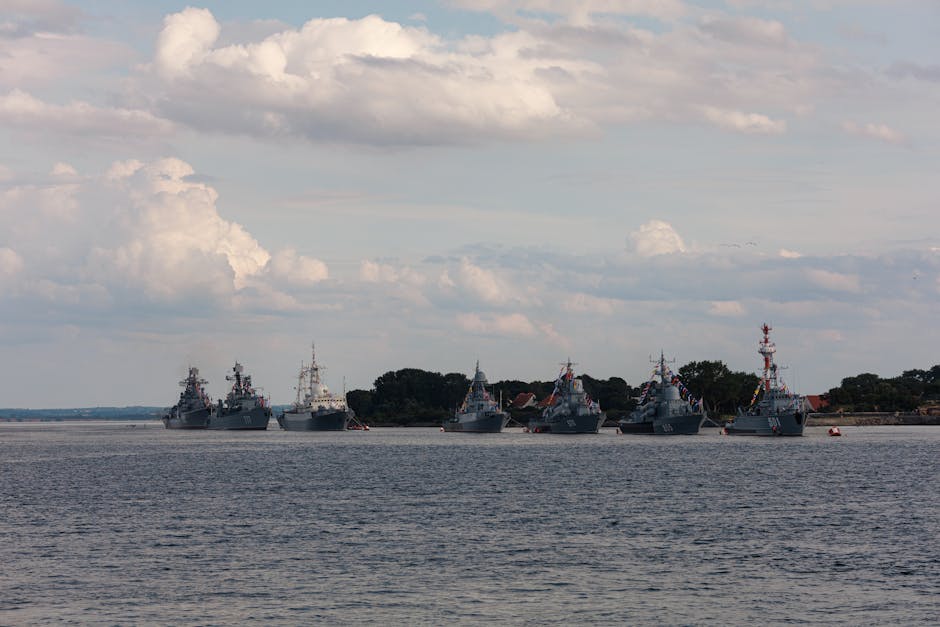
Indian defense officials have stated that the collision between a Pakistan Navy vessel and an Indian warship in recent weeks was not accidental but a calculated maneuver intended to test India's response and assert pressure along contested waters.
According to sources familiar with the matter, the Pakistani vessel approached the Indian ship under circumstances that suggested premeditation rather than navigational error. Naval commanders reportedly observed the Pakistani ship alter its course at close range and make contact with the hull of the Indian warship before moving away quickly.
The Indian side has drawn parallels between the incident and what it calls a China playbook — a set of low-intensity, coercive maritime tactics Beijing has employed extensively in the South China Sea and increasingly across the Indian Ocean. Under such strategies, coast guard ships, maritime militia vessels, and navy ships engage in close encounters, blocking movements, and deliberate collisions to create incidents without escalating into open conflict.
Defense analysts say the Pakistan move appears designed to accomplish several objectives simultaneously. It tests New Delhi's alertness and reaction time, creates a low-level crisis that draws international attention, and signals that Islamabad retains the capacity to disrupt Indian naval operations even during peacetime.
India has not formally responded with escalation, according to officials, opting instead for diplomatic and military communications through established channels to register its protest. The incident has nonetheless triggered internal reviews within the Indian Navy about protocols for handling such encounters and the adequacy of existing rules of engagement.
The clash comes at a time when India is watching Chinese naval activity intensify across the region, including growing presence in Sri Lanka, Myanmar, and the Arabian Sea. New Delhi sees the Pakistan collision as part of a broader strategic alignment in which Beijing and Islamabad coordinate maritime posture to encircle India operationally.
Military experts note that while the collision did not result in casualties or serious damage, its implications extend beyond the immediate incident. It represents a shift toward more assertive gray-zone behavior by Pakistan, backed potentially by Chinese strategic support, and raises questions about how effectively India can deter such tactics without opening the door to broader confrontation.