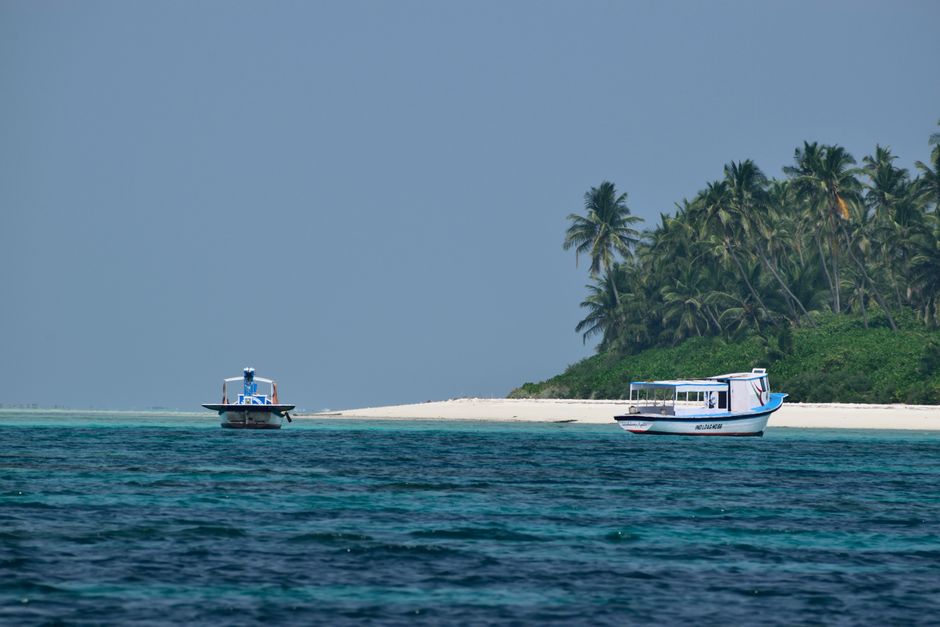
LAKSHADWEEP — A quiet tension is building across India's smallest union territory, where development plans launched by the central administration sit uncomfortably beside growing concerns from residents about ecological and economic disruption.
On paper, Lakshadweep presents an impressive development picture. The archipelago's literacy rate significantly outperforms the national average, and women in Lakshadweep enjoy some of the strongest land ownership rights in the country — a rare feature in a nation where gender-based property inequality remains widespread. Most households belong to the middle class, sustained for decades by a steady, modest economy built around the sea.
But beneath this surface of progress, changes are underway that are reshaping how islanders live. Since the 1960s, the primary source of livelihood has been pole-and-line fishing for yellowfin and skipjack tuna — a method that is labour-intensive, low-volume, and inherently sustainable because it does not deplete fish stocks. Entire communities have grown up around this practice, with fishing cycles dictating the rhythm of daily life, trade, and culture.
Recent years, however, have brought growing ecological stress. Rising sea temperatures and changing ocean currents are affecting tuna migration patterns, and critics say development initiatives have not been matched with adequate alternative livelihood plans. Fishing cooperatives report declining catches in some seasons, yet no coherent exit strategy or transition programme has been formally communicated to the communities most dependent on the practice.
Residents have also expressed anxiety over recent policy changes affecting land use, tourism infrastructure, and resource management. Some worry that large-scale development could disrupt fragile marine ecosystems and displace traditional fishers who lack the skills or capital to move into other sectors. Local leaders have called for greater consultation, saying decisions about Lakshadweep are often made far from the islands without adequate input from those who depend on them.
The Lakshadweep administration has said development is necessary to improve connectivity, healthcare, and education. But many residents argue that growth must not come at the cost of the ecology and economy that have sustained their way of life for generations — and that a plan without an exit route is simply a plan to leave people behind.