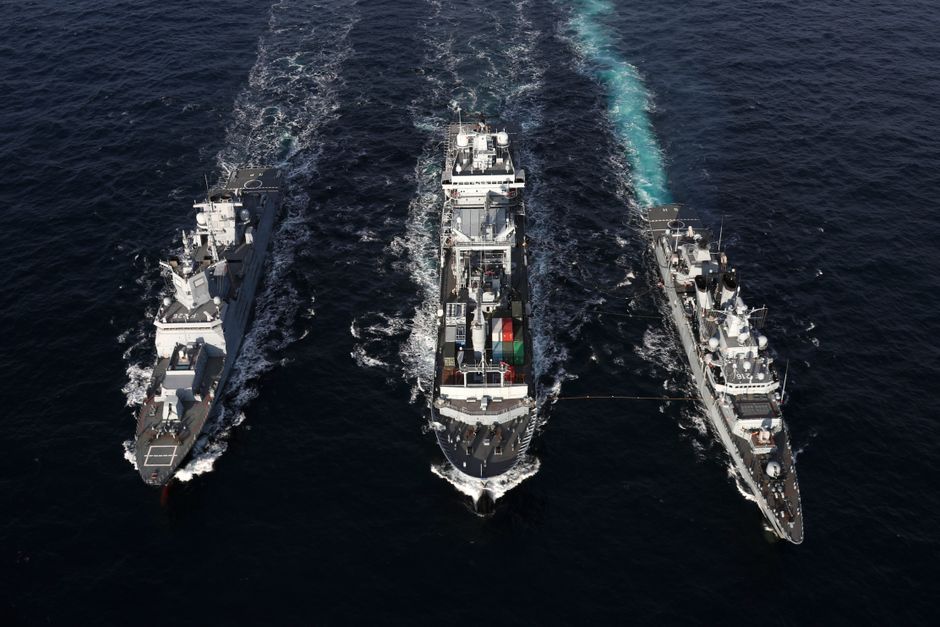
India has categorically dismissed claims made by Pakistan regarding a naval collision incident, firmly stating that the Pakistani submarine PNS Hunain violated internationally recognised maritime norms during the encounter.
The incident took place in waters along the India-Pakistan maritime boundary in the Arabian Sea, where the two nuclear-armed neighbours have longstanding territorial disputes. According to Indian authorities, the PNS Hunain, an Agosta-class submarine of the Pakistan Navy, was operating in a manner that contravened established rules of the sea, leading to a dangerous close-quarters situation and subsequent collision with an Indian naval or coast guard vessel.
New Delhi released a statement rejecting Islamabad's version of events outright. Indian officials described Pakistan's claims as baseless and asserted that the evidence clearly points to PNS Hunain being the vessel that breached maritime protocols. The collision has reignited tensions between the two countries, which have clashed militarily multiple times since partition and continue to dispute several maritime boundaries.
The Agosta-class submarines, commissioned by Pakistan in the 1990s with French assistance, are among the older but still operational vessels in the Pakistan Navy. Naval analysts noted that submarine collisions at the surface or while snorkelling are relatively rare but can escalate quickly given the opacity of underwater operations and the strategic sensitivity of such encounters in the Arabian Sea.
India's foreign ministry and defence establishment have called for patience as investigations into the precise circumstances of the collision are underway. Diplomatic sources indicate that New Delhi may raise the matter through maritime channels and international forums if Pakistan continues to press its allegations without providing corroborating evidence.
The incident comes amid an already strained Indo-Pak relationship, with trust deficits running high on both sides. Marine security experts emphasised that clear adherence to the International Regulations for Preventing Collisions at Sea — commonly known as COLREGs — is critical in waters where both nations maintain significant naval presence.