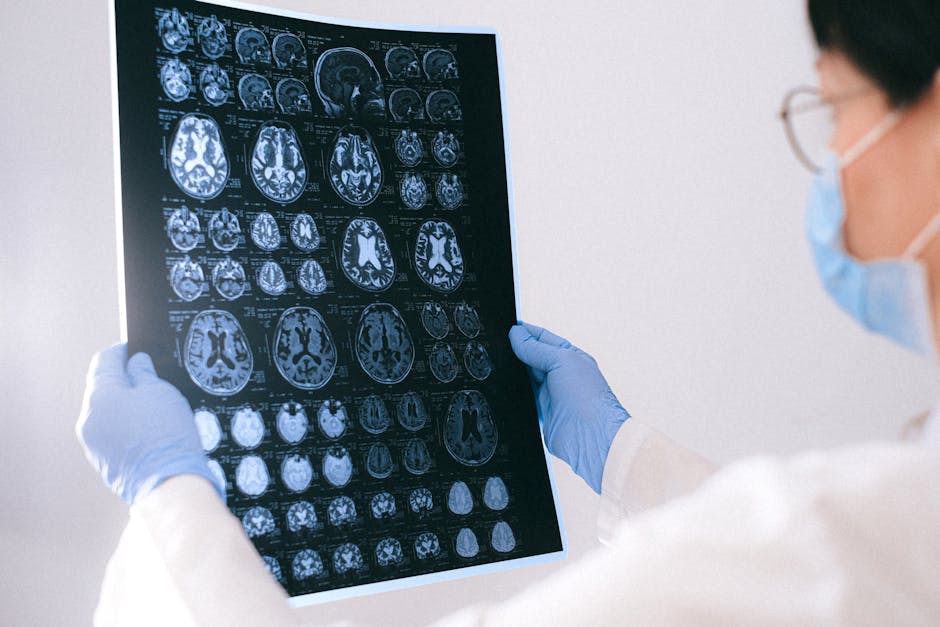
Scientists have achieved a significant milestone in neuroscience by successfully grafting human brain organoids—three-dimensional clusters of brain cells grown in laboratories—into specially engineered mice. The implanted organoids survived and integrated with the animals' existing nervous systems, marking one of the most promising animal models yet for studying complex human brain disorders.
The research, published in a leading scientific journal, demonstrated that the lab-grown human brain cells not only survived the transplantation process but also established functional connections with the mouse brain's neural circuits. This integration means researchers can now observe how human brain cells behave within a living organism—a capability that was previously limited to studying cells in petri dishes or using simpler animal models that do not adequately replicate human neurology.
Brain organoids are miniaturized, simplified versions of organs grown in the laboratory. In this case, the organoids consist of various types of neurons and supporting cells that self-organize into structures resembling early-stage human brain tissue. While they do not possess consciousness or the complexity of a full human brain, they capture key aspects of human brain development and cellular function that rodent models cannot replicate.
The specially engineered mice used in the study were modified to suppress their immune responses, reducing the likelihood of organoid rejection. Over time, the human cells extended projections that connected with the host mouse brain, suggesting the formation of synapses—junctions through which neurons communicate.
This development holds particular promise for research into autism spectrum disorder and epilepsy. Both conditions involve intricate disruptions in brain circuitry that are difficult to study using traditional models. With the ability to grow patient-derived organoids and implant them into mice, researchers can observe how specific genetic mutations affect human neural development in real time, potentially leading to more targeted therapies.
Experts caution that ethical considerations remain important as the technology advances. The integration of human brain cells into animal hosts raises questions about the moral boundaries of such research, though scientists emphasize that current organoids lack the complexity to support consciousness or sensory experience.
The study represents a growing convergence of stem cell biology, genetic engineering, and neuroscience—and could accelerate the pace of discovery for some of the most challenging neurological conditions affecting millions worldwide.