In the rugged hills of Uttarakhand, a quiet agricultural revolution is taking root — and it is being driven by one of the world's most sacred seeds. Rudraksh farming has emerged as a promising economic lifeline for hill farmers who have long struggled with steep slopes, fragmented landholdings, and shrinking agricultural viability. At the same time, it is becoming a tangible answer to one of the state's most pressing challenges: the relentless outflow of young people searching for work elsewhere.
Uttarakhand has suffered from severe migration for decades. Every year, thousands of able-bodied residents leave for cities like Delhi, Dehradun, Bangalore, and beyond, seeking steady employment that the mountain economy simply cannot provide. Districts such as Pauri Garhwal, Champawat, and Udham Singh Nagar have seen entire generations depart, leaving behind aging populations and abandoned fields. The state government and various agricultural extension bodies now see rudraksh cultivation as a way to put money into local soils and keep livelihoods anchored at home.
Rudraksh seeds — most commonly associated with Shiva worship across India — fetch substantial prices in domestic and international markets. A single quality bead can sell for anywhere between a few rupees to several thousand, depending on its mukhi count, size, and finish. The beads are in constant demand from religious traders, spiritual tourism operators, and exporters catering to global buyers interested in Hindu sacred artifacts and Ayurvedic wellness products.
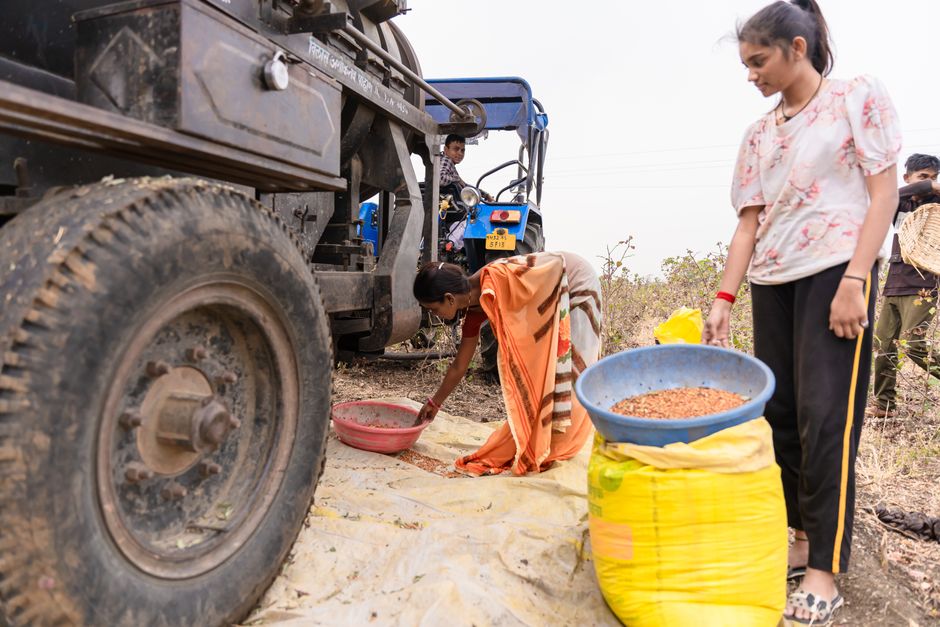
Farmers in Uttarakhand are already reporting higher earnings compared to traditional crops like maize and buckwheat, which often fail to cover cultivation costs. With proper pruning, grafting, and processing techniques, even marginal and terrace farms can produce viable rudraksh yields within three to five years. State agriculture officers are conducting training camps and distributing saplings to interested growers, while women's self-help groups are getting involved in the bead-sorting and retailing chain.
Despite the promise, hurdles remain. New cultivators must navigate uncertain market linkages, the risk of crop diseases, and the patience required before trees begin bearing commercially viable fruit. Officials say they are working on establishing centralized processing units and connecting farmer producer organizations directly with buyers to cut out exploitative middlemen. If these support structures hold, rudraksh could become more than a niche crop — it might be the very thing that convinces a migrating generation to return home.