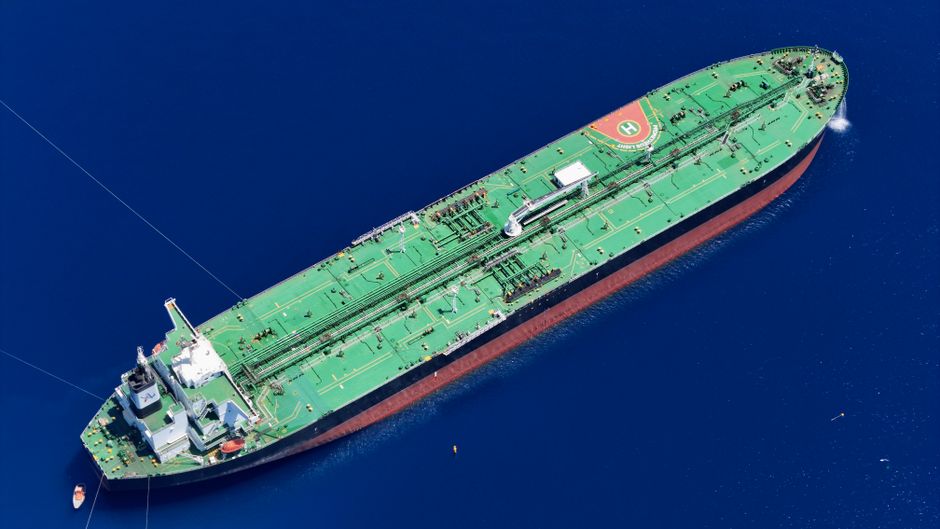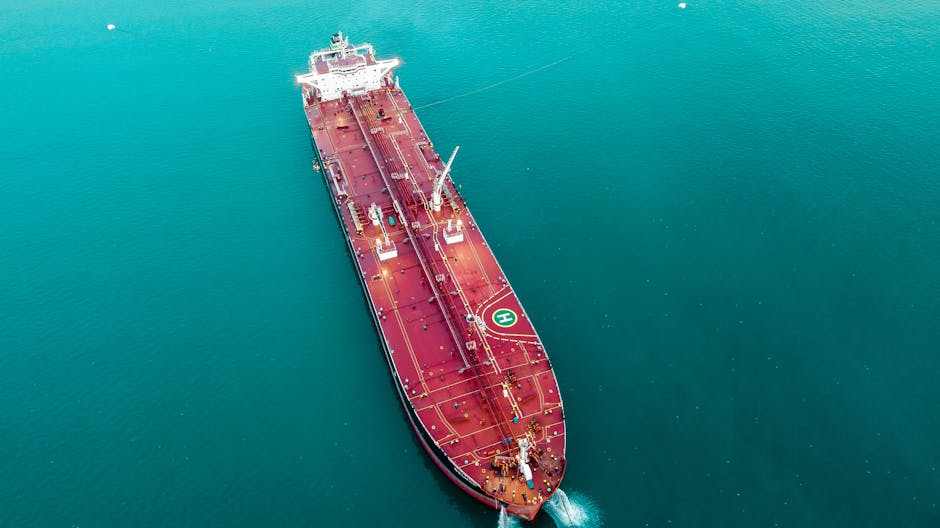
The Iran-aligned Houthi rebels in Yemen have stepped up their attacks on commercial shipping in the Red Sea, marking a significant escalation that has sent ripples through global energy markets and forced a re-evaluation of risks to Middle Eastern oil supplies. The militants, who have been targeting vessels they associate with countries supporting Israel's military operations in Gaza, have carried out a series of drone and missile strikes against commercial ships transiting one of the world's most vital maritime chokepoints.
Saudi Arabia, the world's largest oil exporter, finds itself caught in the crossfire of a conflict that stretches far beyond Yemen's borders. The kingdom has repeatedly warned that Houthi attacks could expand to target its energy facilities, which are already vulnerable to previous drone assaults. Riyadh has partnered with international naval coalitions to protect shipping lanes, but the threat persists as the group demonstrates an expanding range of strike capabilities backed by Iranian technology and training.
Iran's role in the conflict remains central to understanding the calculus behind the Houthi campaign. Tehran has long provided the rebel group with weapons, funding, and strategic guidance, viewing the militants as a lever of pressure against its regional rivals, particularly Saudi Arabia and Israel. Analysts note that Iran's own oil exports face indirect risks if the destabilization triggers a broader regional war that could close the Strait of Hormuz, through which a significant portion of global oil flows daily.
The implications for global oil prices have been immediate and tangible. Shipping companies have rerouted vessels around Africa's Cape of Good Hope rather than risk the Red Sea corridor, adding weeks to transit times and inflating insurance premiums. Energy experts warn that prolonged disruption to this route, which handles roughly ten percent of global seaborne trade, could tighten supplies and push prices higher, adding inflationary pressure to economies already strained by competing crises. The United States and European nations have responded with limited airstrikes against Houthi positions while negotiating diplomatic channels to de-escalate tensions, though a lasting resolution remains distant.