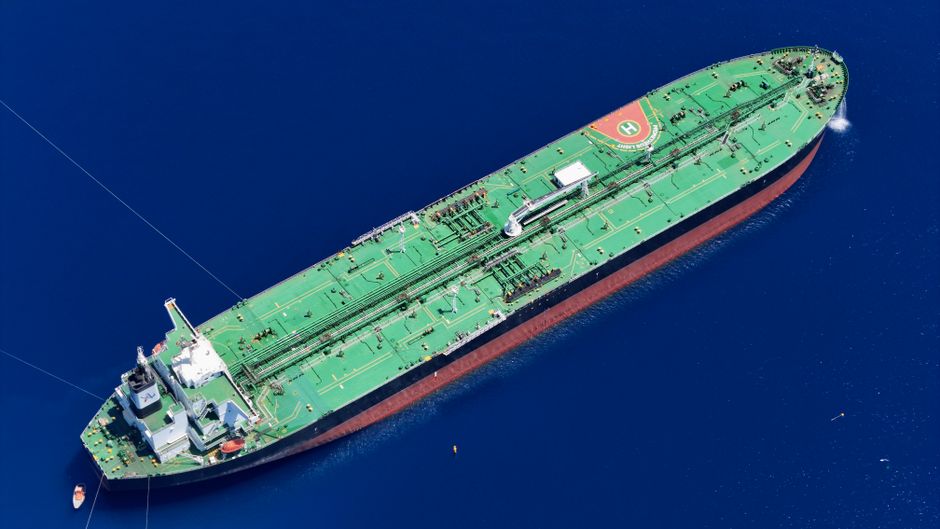
India is importing less crude oil than it was a year ago, but spending considerably more for it. Official trade figures show that the volume of crude arrivals has declined by roughly 3 per cent since August last year, while the total spend on these purchases has climbed by about 18 per cent in the same window. The divergence between falling quantities and rising costs underlines how much global oil prices have moved higher and what that means for a country that depends heavily on overseas fuel supplies.
India remains one of the largest importers of crude oil in the world, and energy security has long been a central concern for policymakers. When the global benchmark prices for crude move up, the ripple effects are felt quickly — in pump prices, in inflation, and in the broader trade deficit. Even a small drop in import volumes can be more than offset when the price tag per barrel rises, which is precisely the situation India is navigating now.
The 18 per cent jump in the import bill suggests that average crude prices over the current period have been markedly higher than they were a year ago. Geopolitical tensions in key oil-producing regions, supply disruptions, and shifts in global demand have all contributed to pricing volatility in recent months. For India, where a large share of domestic fuel needs is met through imports, these price movements translate directly into higher costs for transport, agriculture, and manufacturing.
Analysts note that while a reduction in crude volumes could reflect deliberate policy steps to conserve foreign exchange or greater reliance on alternative energy sources, the accompanying surge in the import bill indicates that saving on quantity has come at a steep price. The government continues to monitor the situation closely, as sustained high oil prices can widen the current account deficit and add inflationary pressure at a time when affordable energy remains critical for economic growth.