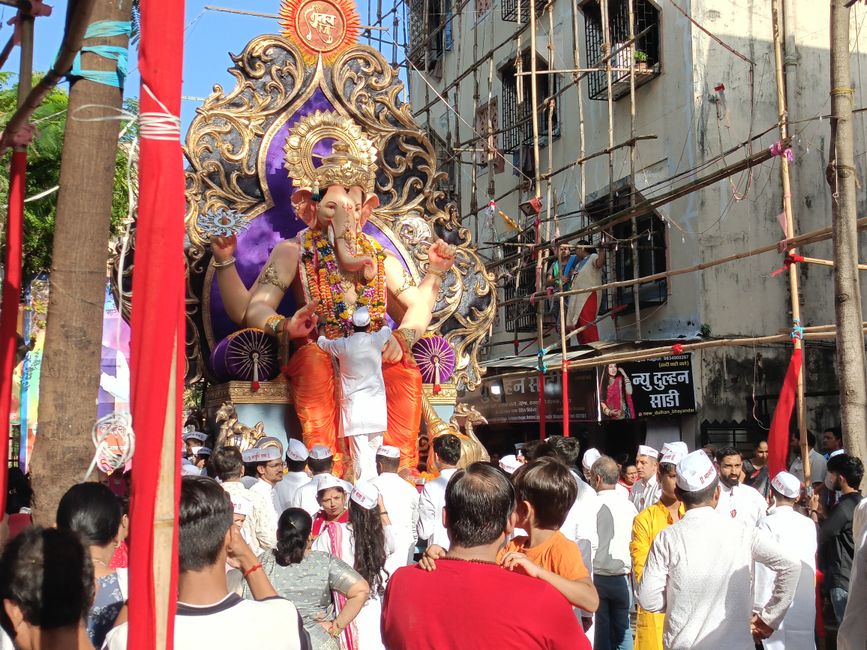
Ganesh Visarjan 2026 is set to unfold on Wednesday, September 17, when millions of Hindu devotees across India will bid farewell to Lord Ganesha after ten days of fervent celebrations marking the Ganesh Chaturthi festival. The immersion ceremony, known locally as Visarjan, sees beautifully adorned clay idols of the elephant-headed deity carried in processions through streets before being immersed in bodies of water.
This year, organizers and municipal bodies are placing renewed focus on environmentally responsible celebrations. In recent years, water pollution from chemically dyed plaster-of-Paris idols and toxic paints has drawn sharp criticism from environmental groups and courts alike. In Maharashtra, particularly Mumbai, local authorities have been distributing free or subsidized eco-friendly idols made from natural clay and organic colors. Several residential societies and community groups have also organized collective immersion events at designated pools to reduce strain on public water bodies.
Puja essentials remain central to the festivities. Devotees traditionally gather在家中 to prepare the final offerings — flowers, modak sweets, durva grass, and incense — before the procession begins. The festive décor that transformed homes and neighborhood pandals during the ten-day period is now taken down carefully, with many families preserving small statues or decorative elements as keepsakes.
The festival itself commemorates the birth of Lord Ganesha, the remover of obstacles and god of wisdom, and is celebrated with particular grandeur in Maharashtra, Goa, Karnataka, Tamil Nadu, and parts of Gujarat. In Mumbai alone, an estimated 110 public pandals and thousands of private installations come alive during the festival period, drawing crowds daily.
Eco-conscious initiatives have gained momentum since 2019, when the Maharashtra government banned the sale of plastic Gur idols and restrict the use of certain synthetic colors. This year, social media campaigns encouraging sustainable Visarjan have gone viral among younger devotees, signaling a cultural shift in how the community approaches the tradition.
Authorities have also arranged additional sanitation services and crowd management along immersion gheats — the ghats and waterfronts where processions culminate — to ensure the events proceed smoothly and safely.