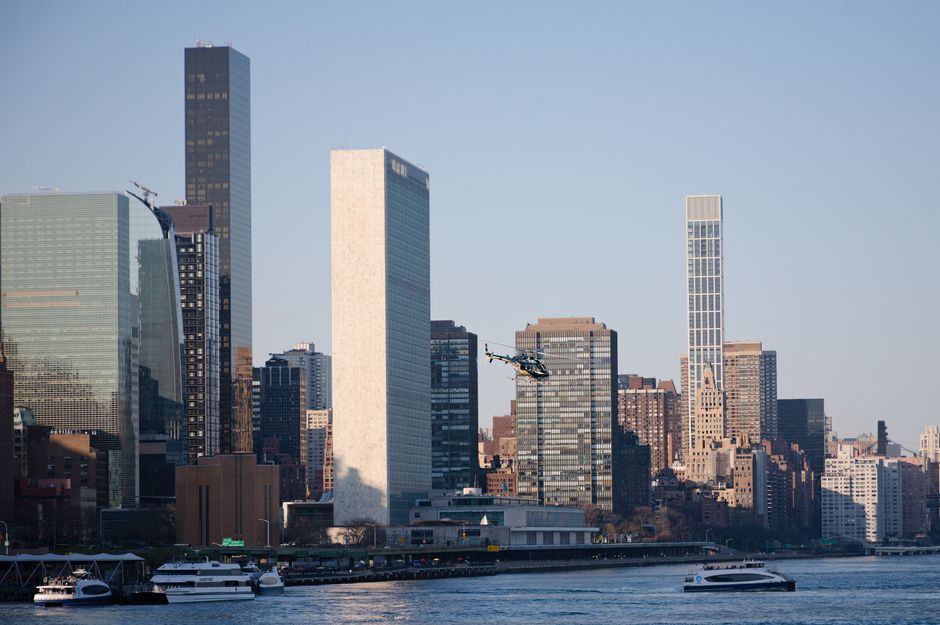
Dhaka — Bangladesh Prime Minister Tarique Rahman is set to address the United Nations General Assembly for the first time on Wednesday, September 24, using the international platform to draw global attention to what Dhaka considers two of its most pressing concerns: the plight of Rohingya refugees and the existential threat posed by climate change.
The three-day UNGA general debate brings world leaders to New York, and Rahman's appearance marks a significant diplomatic moment for Bangladesh, which has long carried one of the world's heaviest refugee burdens without proportionate international support. The 1.1 million Rohingya refugees who fled Myanmar's military crackdowns since 2017 remain stranded in cramped camps across Cox's Bazar, Bangladesh's southeastern district, living in conditions that humanitarian agencies have repeatedly described as dire.
Rahman is expected to urge member states to help achieve a voluntary, safe, and dignified repatriation of the Rohingya to Rakhine State in Myanmar — a goal that has stalled amid Myanmar's ongoing political turmoil following the 2021 military coup. His address is also anticipated to outline the democratic agenda of his government, emphasizing Bangladesh's commitment to civilian governance and institutional stability.
Climate change will feature prominently in Rahman's remarks. Bangladesh consistently ranks among the countries most vulnerable to climate-driven disasters despite contributing minimally to global greenhouse gas emissions. Annual flooding, river erosion, and cyclones displace hundreds of thousands of Bangladeshis each year, and the prime minister is expected to call on wealthy nations to honor longstanding pledges on climate finance and loss-and-damage compensation.
Diplomatic sources suggest Rahman will also seek renewed international backing for Bangladesh's economic development priorities, including infrastructure investment and trade access, as the South Asian nation continues to navigate inflationary pressures and currency fluctuations. His UNGA visit is likely to include bilateral meetings with officials from key partner countries before the main general debate begins.