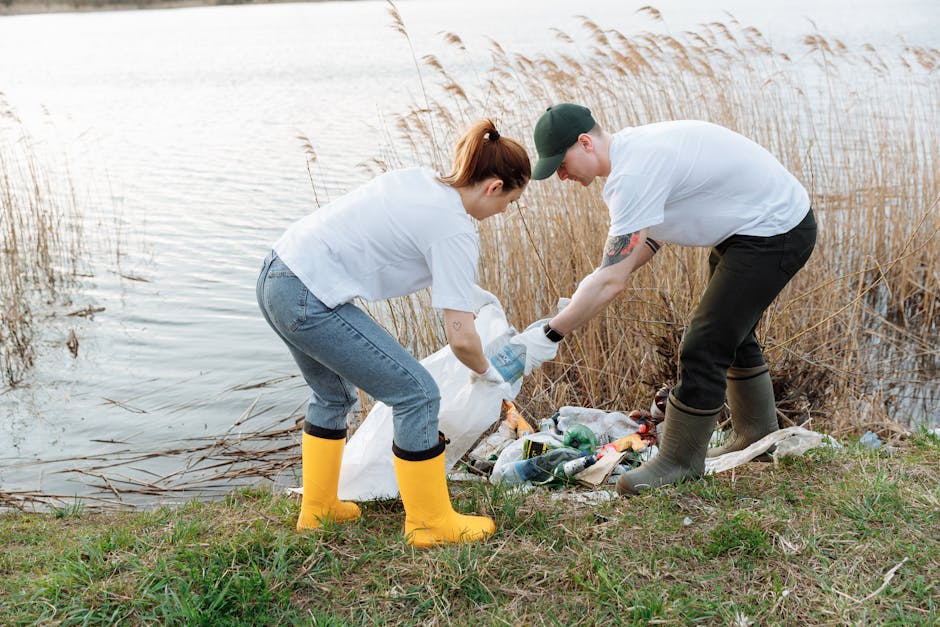
What began as a small, personal effort by a college student to clean a polluted water body near their campus has grown into a nationwide social movement, drawing praise from environmentalists, officials, and citizens alike.
The student, whose initiative started just weeks ago, took it upon themselves to clear debris, plastic waste, and accumulated silt from a local pond that had long been neglected. What made the story spread was not just the act of cleaning itself, but the way the student documented the entire process — posting before-and-after photographs, time-lapse videos, and updates on social media platforms such as Instagram, X (formerly Twitter), and WhatsApp.
Within days, the posts were shared thousands of times. Residents from nearby towns began reaching out, asking how they could contribute. Local NGOs offered support, and several municipal bodies took notice, with some even offering equipment and institutional backing for the cleanup.
Environmental experts who have followed the story say it represents a growing trend of young Indians taking direct action on ecological issues rather than waiting for government intervention. "This is what grassroots environmentalism looks like," said a Delhi-based ecologist who requested anonymity. "A single student decided a pond mattered, and now dozens of communities are rethinking how they treat their own local water bodies."
The pond in question had become a dumping ground over many years, a common sight in urban and semi-urban areas across India where drainage systems are inadequate and waste management remains a challenge. The student's team removed an estimated tonnage of garbage during the initial cleanup drive, and water quality tests conducted afterward showed measurable improvements.
Social media users have flooded the student's posts with encouragement. Many have used the hashtag associated with the campaign to share photos of their own local cleanup efforts. Cities including Pune, Jaipur, Coimbatore, and Patna have reported spontaneous volunteer drives modeled after the original event.
Local authorities have acknowledged the student's initiative and said they plan to formalize periodic maintenance of the pond, though activists argue that sustained government attention to such water bodies remains inconsistent.
The student, who wished to be identified only as a final-year undergraduate, told reporters the response has been overwhelming. "I never imagined this would go beyond my neighborhood," they said. "My only goal was to make the water clean enough for the birds and fish to return. If others are finding the motivation to do the same, then everyone wins."