A total of 325 vacancies have been notified for the posts of Anganwadi Worker and Anganwadi Helper under the Integrated Child Development Services (ICDS) scheme, a flagship maternal and child nutrition programme run by the Ministry of Women and Child Development. The recruitment notification was released recently, and eligible candidates are invited to submit their applications online before the deadline of 14 August 2019.
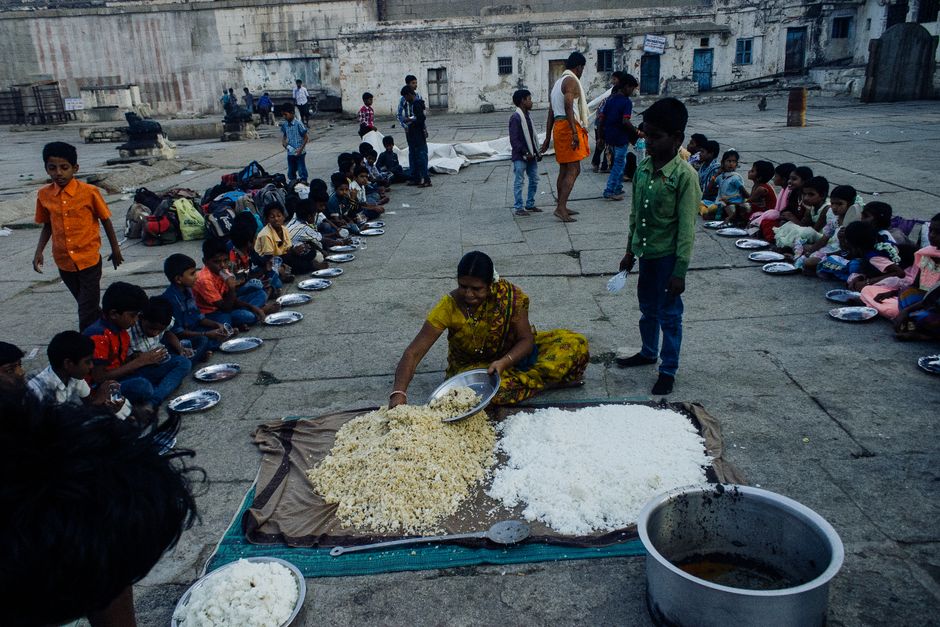
Anganwadi centres serve as the frontline infrastructure for early childhood care, nutrition, and health screening across rural and semi-urban India. Anganwadi Workers are responsible for immunisation support, nutrition monitoring, pre-school education for young children, and maternal health awareness. Anganwadi Helpers assist workers in day-to-day operational tasks within the centres.
Candidates aspiring to apply are typically required to hold at least a Class 10 pass certificate, although exact educational qualifications may vary depending on the specific post and state-level guidelines. Applicants must also meet the age eligibility criteria and residency requirements stipulated in the official notification. Selected candidates will be posted at anganwadi centres located across the respective districts, ensuring coverage of the most vulnerable populations with essential services.
The recruitment process is expected to include a written examination or merit-based shortlisting followed by document verification, as per standard ICDS recruitment procedures. Candidates who meet the prescribed criteria are urged to complete their online applications well ahead of the deadline to avoid last-minute technical difficulties. Interested and eligible individuals should visit the official recruitment portal to access the detailed notification, download the application form, and submit their responses before 14 August 2019.
This recruitment drive is seen as an important step toward strengthening the ICDS network and ensuring adequate staffing at anganwadi centres, which remain critical to India's efforts in reducing child malnutrition and improving maternal health outcomes.