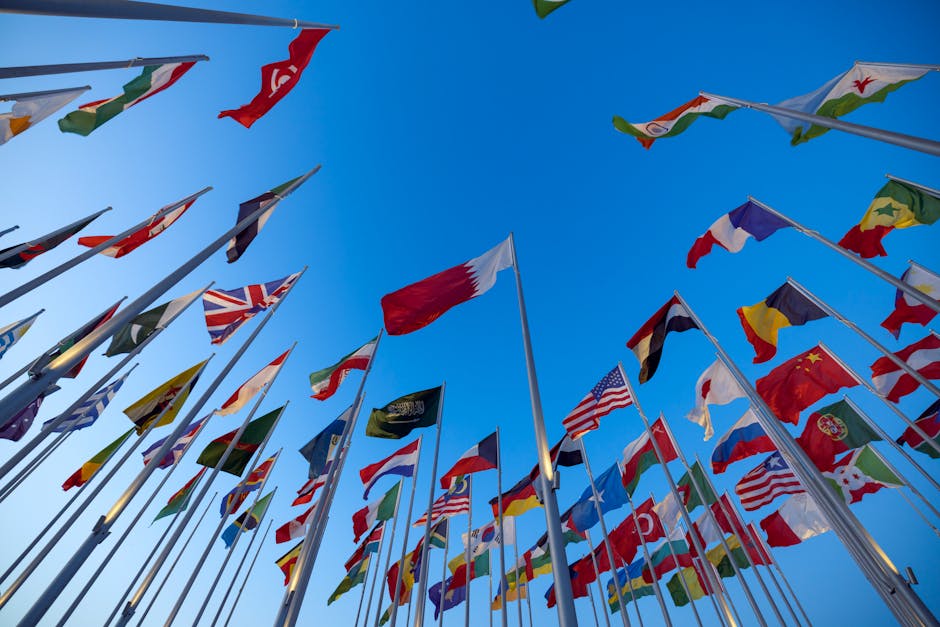
Chinese President Xi Jinping has urged the BRICS alliance — comprising Brazil, Russia, India, China, South Africa, and newer members from the Middle East and beyond — to play a significant and responsible role in fostering peace and stability across West Asia.
Speaking at a recent high-level meeting on international cooperation, Xi emphasized that the evolving security landscape in the Middle East demands coordinated diplomatic engagement from emerging powers. He stated that BRICS nations, representing a large share of the global population and growing economic influence, have a duty to contribute meaningfully to conflict resolution and de-escalation efforts in the region.
West Asia, home to some of the world’s most volatile flashpoints, has witnessed escalating tensions in recent years — including military confrontations, proxy conflicts, and diplomatic standoffs involving multiple regional and global powers. The humanitarian toll has been severe, with millions displaced and infrastructure devastated across several countries.
Xi’s remarks come amid broader discussions about diversifying global governance structures beyond traditional Western-led institutions. India, a key BRICS member, has historically pursued a balanced foreign policy in the Middle East, maintaining strong ties with both rival powers in the region — including Iran and Saudi Arabia — while advocating for dialogue over confrontation.
Diplomatic observers noted that Xi’s call aligns with China’s own strategic interest in securing energy supplies and trade routes through West Asia, as well as projecting its influence as a peacemaking actor on the world stage.
BRICS has expanded significantly since its original formation, welcoming new members from the Gulf region in recent years, which has given the bloc a more direct stake in Middle Eastern affairs. Analysts say the grouping’s expanded membership could make it a more credible mediator in regional disputes, provided its members can align their often-divergent national interests.