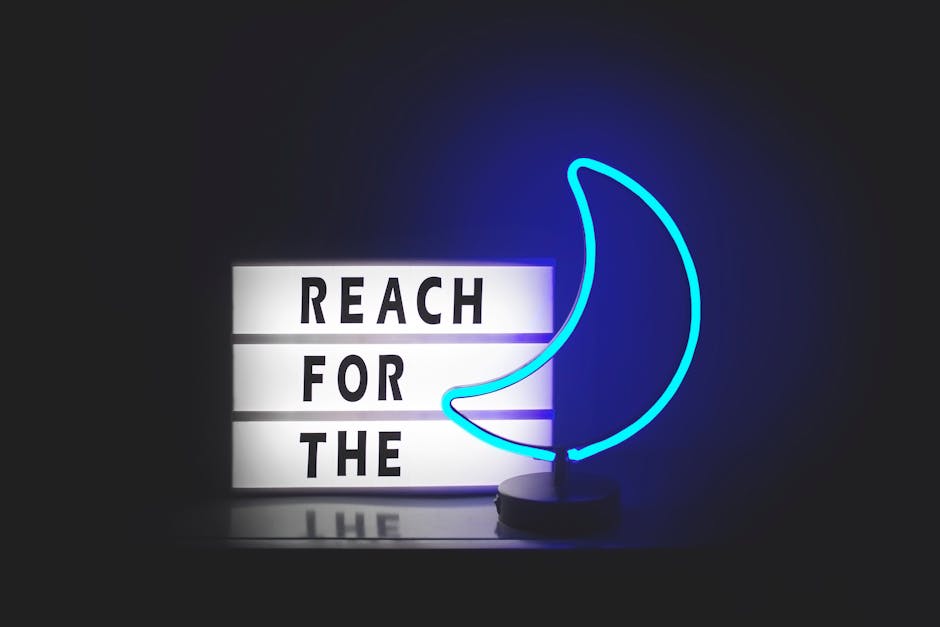
W. Clement Stone's timeless words of encouragement are once again making rounds across social media, reminding people everywhere that ambition need not come with the pressure of guaranteed success. The quote, which reads simply but powerfully — "Aim for the moon. If you miss, you may hit a star" — has become a cultural touchstone for anyone navigating big dreams, career changes, academic pursuits, or personal reinvention.
Stone, an American businessman and motivational speaker who lived from 1902 to 2002, built a fortune in the insurance industry and went on to found the University of Success, where he taught principles of positive mental attitude to thousands of students. His writings, particularly his book "The Magic of Thinking Big," sold millions of copies and have been translated into dozens of languages. The moon-and-star quote, while often circulated without attribution, comes from his broader body of work encouraging people to set extraordinary goals and approach failure not as an endpoint but as redirection.
What makes the quote endure is its honest acknowledgment that misses happen. Unlike many self-help messages that promise success through sheer willpower alone, Stone's words validate the very real possibility of falling short while reframing even that shortfall as potentially valuable. Aiming at the moon might result in landing among the stars — meaning that even an ambitious attempt can yield meaningful achievements, just different from what was originally imagined. This perspective has proven especially resonant in recent years, as people grapple with economic uncertainty, competitive job markets, and rapidly changing global conditions.
Educators, career counselors, and mental health professionals have increasingly recommended the underlying philosophy in their work with young adults. The message encourages resilient thinking — the kind that helps people pivot after setbacks rather than abandon their aspirations entirely.


