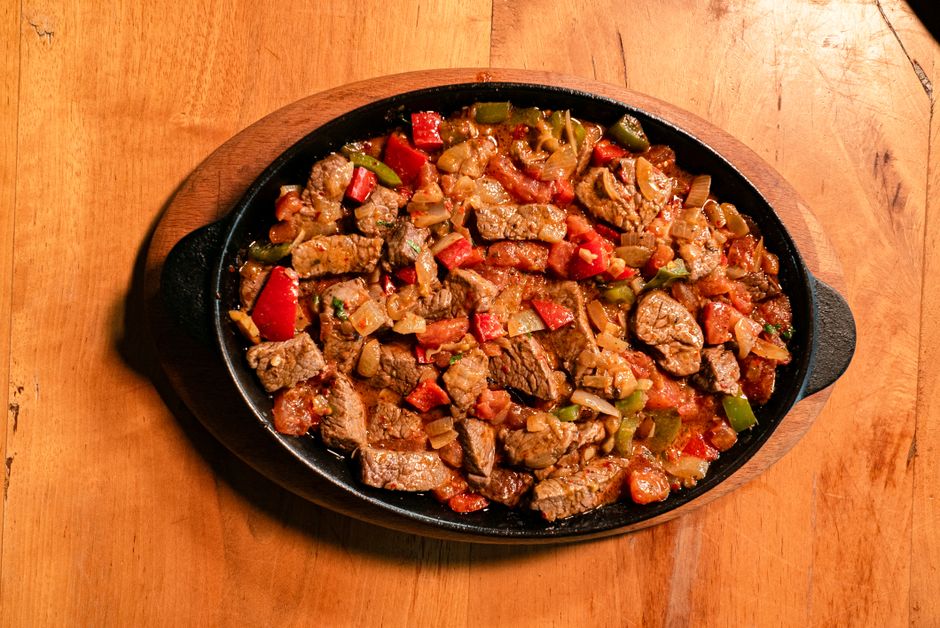
A video shot inside a Pappasito's Cantina in Dallas has captured widespread attention online after a customer posted footage of his fajita platter arriving without the dramatic sizzle that the Mexican-Texas restaurant chain is famous for. In the clip, the diner expresses visible frustration at the quiet, lukewarm-looking dish, contrasting it sharply with the expectations set by the restaurant's well-known branding around loud, steaming cast-iron skillets. The video quickly accumulated thousands of views and shares across social media platforms, drawing reactions from food enthusiasts, professional chefs, and curious onlookers alike.
Beyond the humor and outrage, the episode touched on something many home cooks and restaurant workers understand instinctively but few have formalized: the physics behind why a proper fajita should sizzle. The sound comes from water rapidly vaporizing upon contact with a superheated surface. Cast iron plates are typically heated to well over 200 degrees Celsius before being brought to the table. When ingredients containing moisture — such as onions, peppers, and marinated beef or chicken — hit that surface, the water flash-boils, producing both the audible crackle and the aromatic steam that signals freshness.
Food scientists note that if the plate arrives at too low a temperature, or if the ingredients were pre-cooked or over-sauced, the sizzle can be muted or absent entirely. That makes the complaint more than a petty grievance — it points to genuine quality control issues in the kitchen. Chefs argue that a缺少 sizzle often means the dish was assembled too far in advance or the griddle was not properly maintained.
Pappasito's Cantina, a staple of the Texas dining scene known for its family-friendly atmosphere and signature sizzling platters, has not publicly commented on the specific incident. The viral moment nonetheless highlights how modern diners increasingly use social media to hold restaurants accountable to the promises their menus implicitly make.