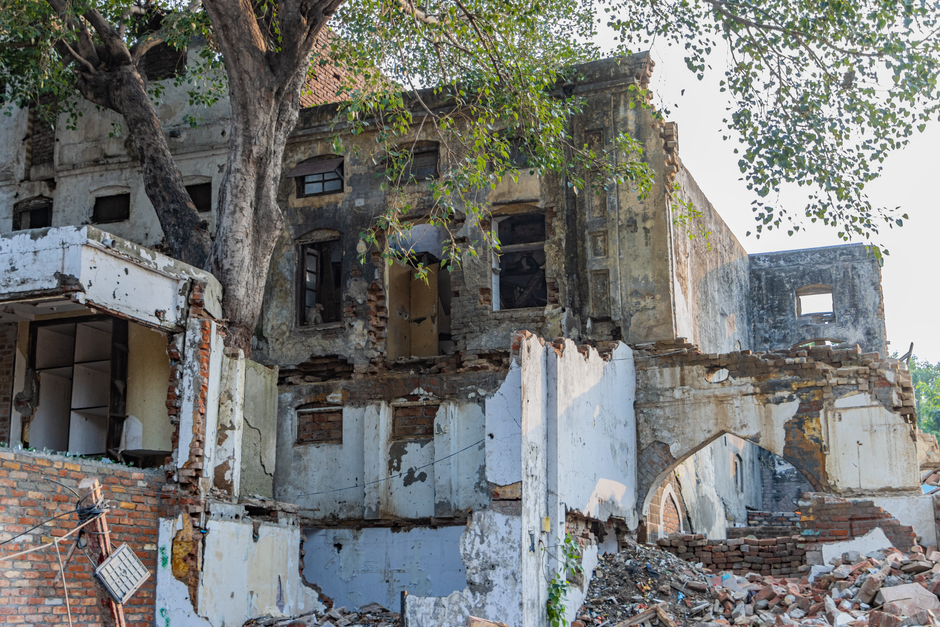
Authorities in Uttar Pradesh have demolished a century-old mosque located within the premises of the Saharanpur Collectorate complex on September 5, intensifying apprehensions among the local Muslim community about the preservation of their religious structures. The move follows a recent notice issued to the management of the Mustafa Mosque in Moradabad, which authorities have described as an unauthorized construction, signaling a broader pattern of scrutiny against such sites across the state.
The demolished mosque in Saharanpur was reportedly one of the few remaining historical places of worship inside a government administrative compound, a location that had stood for generations without prior objection. Municipal officials defended the action as part of routine clearance of unauthorized encroachments on public land, asserting that the structure lacked legal permission and had been erected on government property.
Community representatives have expressed deep concern over the timing and nature of these actions, warning that they could undermine communal harmony and set a precedent for targeting minority religious sites. Local activists argue that many such mosques hold cultural and historical significance, serving as landmarks for communities whose ancestors built them during colonial or post-independence eras.
Legal experts note that cases involving religious structures often intersect with state laws on land use, urban planning, and anti-encroachment drives. While authorities maintain that equal treatment under the law is essential, critics say selective enforcement can erode trust in institutions and deepen existing social divides.
Both incidents have drawn attention from state and national human rights organizations, which have called for transparent processes and dialogue with affected communities. The government has not yet issued a comprehensive statement addressing the broader concerns, leaving residents to await further notices or actions against other heritage sites.