The United States has significantly broadened its sanctions net around Russia's oil trade, targeting a wider array of foreign purchasers and facilitators who have helped Moscow circumvent existing price caps and export restrictions. Yet in a move that has drawn attention from energy analysts and non-proliferation experts alike, the new measures explicitly preserve a long-standing exemption allowing American companies to continue buying Russian uranium — a key ingredient for US nuclear power plants.
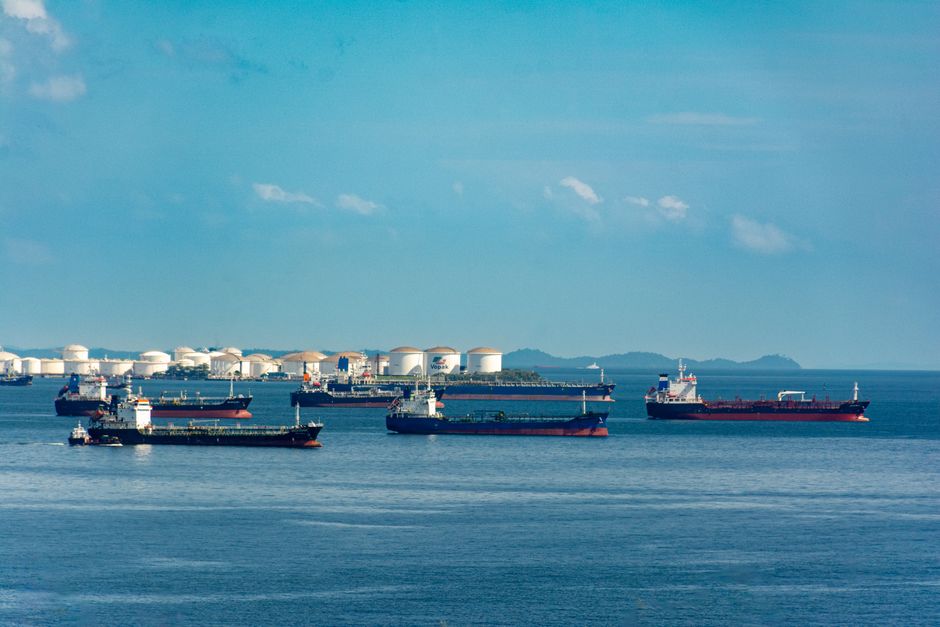
The expanded crackdown focuses on the shadow fleet of tankers, middlemen, and financial institutions that have quietly helped countries such as India, China, and Turkey keep pumping Russian crude onto global markets despite Western prohibitions. Treasury Department officials said the new designations aim to close loopholes that have allowed the flow of oil revenues to persist largely unimpeded since the initial sanctions package followed Russia's full-scale invasion of Ukraine in February 2022.
Under the current price-cap framework, set at $60 per barrel, Western companies are prohibited from providing shipping and insurance services for Russian oil sold above that threshold. But enforcement has proven difficult, with a growing network of third-country traders re-registering vessels, using opaque ownership structures, and arranging dark-market premiums that effectively undercut the cap.
The uranium exemption, by contrast, is rooted in a different calculus. The United States imports roughly one-quarter of its enriched uranium from Russia's state-owned atomic energy corporation, Rosatom. Domestic alternatives remain limited, and several US nuclear power plant operators have publicly warned that severing the supply chain would force plant closures or rely on costlier shipments from France, South Korea, or Kazakhstan — none of which can currently scale up production fast enough to fill the gap.
Lawmakers from both parties have wrestled with whether to remove the uranium carve-out. Several bills introduced in recent Congresses sought to ban Russian uranium imports outright, but each has stalled amid lobbying from utility companies and concerns about domestic energy reliability. The Biden administration has so far declined to expand the prohibition, framing the issue as one where energy security arguments outweigh the symbolic value of tightening sanctions further.
Critics argue the exemption undermines the coherence of US pressure on Moscow's economy, noting that nuclear fuel revenues still provide the Kremlin with billions in hard currency. Supporters counter that abruptly cutting off imports could destabilize the domestic power grid and drive up electricity costs for American consumers — a politically sensitive issue heading into an election cycle.
The dual approach signals Washington's ongoing struggle to balance economic warfare against Russia with practical constraints on its own energy infrastructure. While the oil crackdown sends a clear diplomatic message, the uranium shield reveals how deeply intertwined the two energy sectors remain — even as the political relationship between Washington and Moscow reaches one of its coldest points in decades.